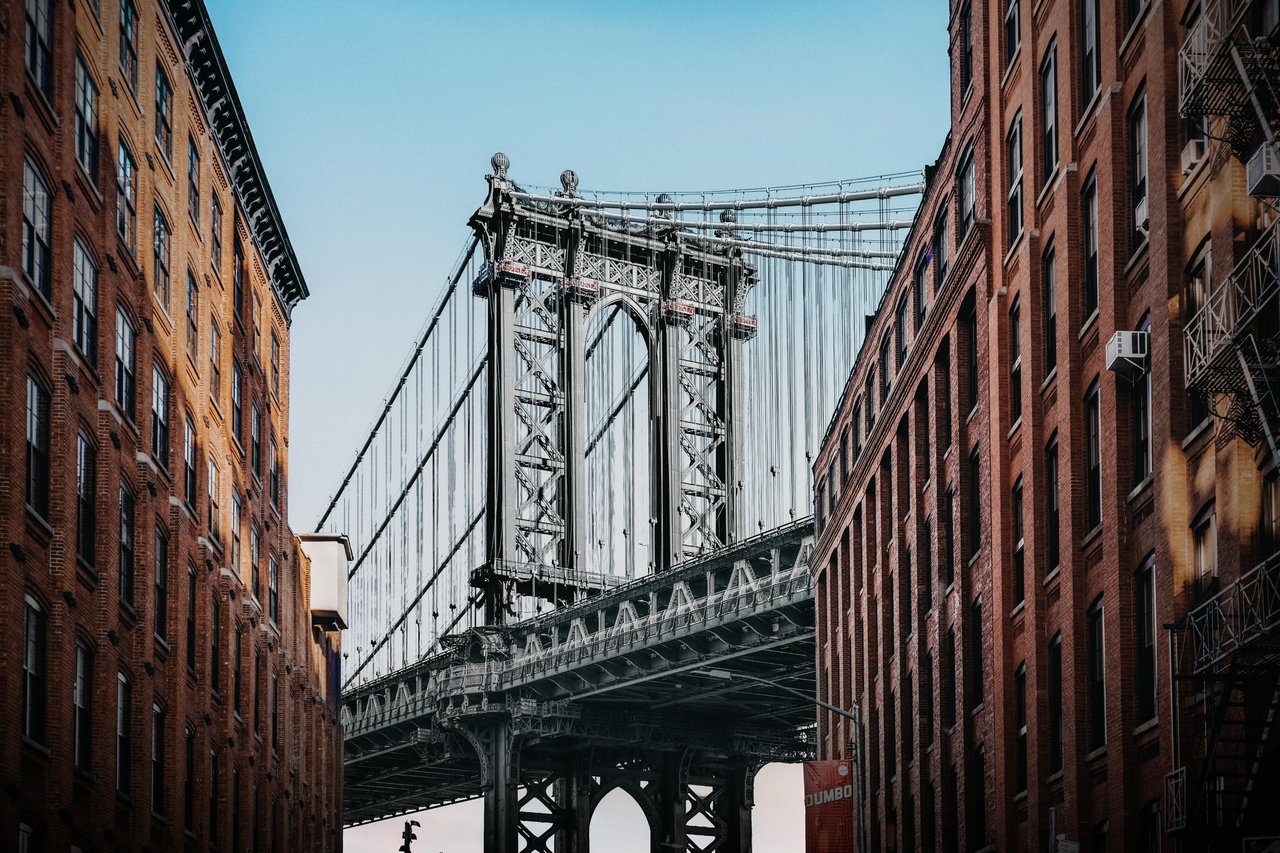
Welcome to
Brooklyn
Discover Brooklyn, where historic brownstones, striking waterfront architecture, and an extraordinary collection of neighborhoods create one of New York City's most distinctive places to live.
From the tree-lined streets of Brooklyn Heights and Park Slope to the converted warehouses of DUMBO and the waterfront residences of Williamsburg, Brooklyn offers an exceptional range of experiences. Rich in history, architecture, and culture, the borough has a character all its own, with each neighborhood offering a different perspective on New York living.
Brooklyn's identity has been shaped by centuries of immigration, industry, and reinvention. Once an independent city, Brooklyn became part of Greater New York in 1898, while retaining its distinct cultural and architectural character. Its waterfront was historically a center of shipping and manufacturing, while neighborhoods such as Brooklyn Heights, Fort Greene, and Park Slope developed into residential enclaves known for their elegant townhouses and grand avenues. Generations of residents brought new traditions, businesses, and cultural influences, creating the diverse communities that define the borough today.
Brooklyn's real estate market is as varied as its neighborhoods. Historic townhouses and prewar cooperatives coexist with converted industrial lofts, boutique condominiums, and full-service waterfront developments. Brooklyn Heights, Cobble Hill, Carroll Gardens, and Park Slope are known for their established residential streets and historic housing stock. Williamsburg and DUMBO offer a different experience, with contemporary condominiums, loft residences, and access to the East River waterfront. Pricing and demand vary considerably by location, property type, and building amenities, creating opportunities for buyers with a wide range of preferences and priorities.
Brooklyn's architectural landscape tells the story of the borough's evolution. In Brooklyn Heights and Cobble Hill, Federal, Greek Revival, and Italianate townhouses line picturesque streets, while Park Slope is celebrated for its richly detailed Victorian brownstones and limestone residences. Elsewhere, former factories and warehouses have been transformed into expansive lofts, particularly in DUMBO and Williamsburg. Contemporary developments along the waterfront introduce glass façades, generous outdoor spaces, and striking views of Manhattan. The juxtaposition of historic craftsmanship and modern design gives Brooklyn an architectural identity that is both layered and unmistakably its own.
Everyday life in Brooklyn is shaped by the character of its individual neighborhoods. Independent cafés, specialty markets, neighborhood restaurants, and locally owned shops contribute to a strong sense of community. A morning might begin with coffee in Carroll Gardens, a walk along the Brooklyn Heights Promenade, or a run through Prospect Park. Weekends bring farmers' markets, gallery visits, waterfront dining, and afternoons exploring the borough's many cultural destinations. From the quieter residential blocks of Cobble Hill to the lively streets of Williamsburg, Brooklyn offers a range of experiences within one borough.
Brooklyn has become one of New York City's most compelling dining destinations, with a culinary landscape that reflects its diversity and independent spirit. Celebrated restaurants, longstanding institutions, and inventive neighborhood kitchens can be found throughout the borough.
Located in Williamsburg, Lilia is celebrated for its handmade pastas, wood-fired seafood, and contemporary approach to Italian cooking. Its lively atmosphere and thoughtfully executed menu have made it a destination for diners across the city.
A historic Downtown Brooklyn institution dating to 1879, Gage & Tollner brings classic New York dining into the present with an elegant landmarked dining room, oysters, steaks, and a menu rooted in the traditions of the American chophouse.
A Carroll Gardens favorite, Frankies 457 Spuntino is known for its Italian-American cooking, intimate dining room, and charming garden. Its welcoming atmosphere and neighborhood character have made it a Brooklyn staple.
Brooklyn's cultural landscape is as varied as its neighborhoods. The Brooklyn Academy of Music, known as BAM, is a cornerstone of the performing arts scene, presenting theater, dance, film, and music. The Brooklyn Museum offers an expansive collection spanning centuries and cultures, while the Brooklyn Botanic Garden provides a quieter experience through its landscaped grounds and seasonal displays. In Williamsburg and Bushwick, independent music venues, cocktail bars, and creative spaces contribute to an energetic nightlife scene. Elsewhere, neighborhood wine bars, intimate performance spaces, and historic theaters offer a more relaxed evening out.
A leading multidisciplinary arts institution presenting innovative performances, films, and cultural programming in the heart of Brooklyn's cultural district.
One of New York City's major art institutions, recognized for its wide-ranging collections, exhibitions, and engagement with contemporary culture.
A celebrated botanical destination featuring beautifully designed gardens, seasonal plantings, and peaceful green spaces near Prospect Park.
Living in Brooklyn offers a remarkable degree of choice. From the historic streets of Brooklyn Heights to the creative energy of Williamsburg, each neighborhood has its own architectural identity and rhythm. Prospect Park, Brooklyn Bridge Park, and the Brooklyn Botanic Garden provide exceptional access to outdoor space, while neighborhood shopping streets, restaurants, and cultural institutions enrich everyday life. Transportation options vary across the borough, with subway lines, buses, and NYC Ferry service connecting many neighborhoods to Manhattan and the surrounding city. What distinguishes Brooklyn is the opportunity to find a neighborhood that reflects individual priorities, whether those include architectural character, cultural access, outdoor space, or a contemporary urban environment.
Brooklyn presents a highly localized real estate market, where property values and buyer expectations can differ significantly between neighborhoods and even individual blocks. Historic townhouses often attract interest for their architectural details, outdoor space, and established residential settings. Converted lofts and luxury condominiums appeal to buyers seeking contemporary finishes, distinctive layouts, and waterfront access. Buyers should consider differences in ownership structures, building condition, renovation requirements, and carrying costs. For sellers, thoughtful pricing, presentation, and an understanding of a property's individual advantages are essential to positioning a home effectively in this varied market.
Brooklyn Heights, Cobble Hill, Carroll Gardens, Park Slope, Williamsburg, and DUMBO are among the borough's most sought-after residential areas. Each offers a distinct combination of architecture, amenities, and lifestyle.
Brooklyn offers an extensive range of residential properties, including historic brownstones, single-family and multifamily townhouses, prewar cooperatives, converted industrial lofts, boutique condominiums, and luxury waterfront developments.
Many Brooklyn neighborhoods offer convenient access to Manhattan through multiple subway lines, buses, and NYC Ferry routes. Commute times vary depending on the neighborhood and destination, making proximity to transportation an important consideration when selecting a home.
2,631,440 people live in Brooklyn, where the median age is 38 and the average individual income is $48,794. Data provided by the U.S. Census Bureau.
Total Population
Median Age
Population Density
Average individual Income
There's plenty to do around Brooklyn, including shopping, dining, nightlife, parks, and more. Data provided by Walk Score and Yelp.
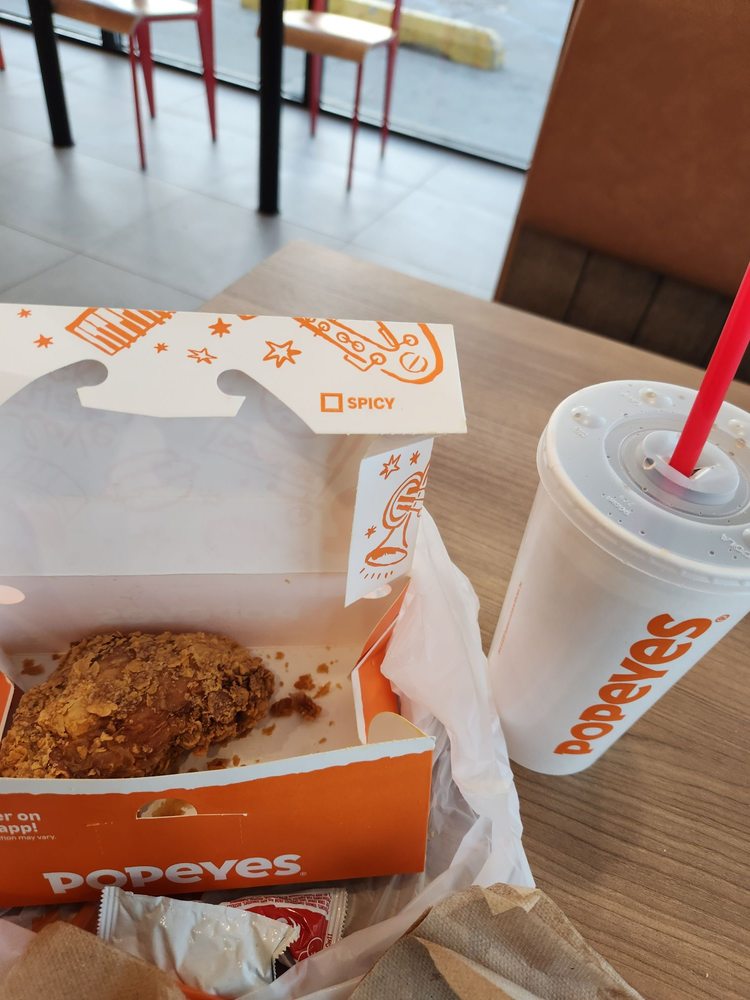
Explore popular things to do in the area, including Dish Restaurant, Vr Meat Corporation, and Popeyes.
| Name | Category | Distance | Reviews |
Ratings by
Yelp
|
|---|---|---|---|---|
| Dining | 0.25 miles | 0 reviews | 0/5 stars | |
| Dining | 0.3 miles | 0 reviews | 0/5 stars | |
| Dining · $ | 0.32 miles | 2 reviews | 2/5 stars | |
| Dining | 0.33 miles | 0 reviews | 0/5 stars | |
| Dining | 0.35 miles | 0 reviews | 0/5 stars | |
| Dining | 0.35 miles | 0 reviews | 0/5 stars | |
| Dining | 0.56 miles | 2 reviews | 1/5 stars | |
| Dining | 0.57 miles | 0 reviews | 0/5 stars | |
| Shopping | 0.12 miles | 0 reviews | 0/5 stars | |
| Shopping | 0.41 miles | 0 reviews | 0/5 stars | |
| Shopping | 0.45 miles | 0 reviews | 0/5 stars | |
| Shopping | 0.47 miles | 2 reviews | 4.5/5 stars | |
| Shopping | 0.5 miles | 0 reviews | 0/5 stars | |
| Shopping | 0.52 miles | 0 reviews | 0/5 stars | |
| Active | 0.62 miles | 2 reviews | 5/5 stars | |
| Beauty | 0.27 miles | 60 reviews | 4.7/5 stars | |
| Beauty | 0.44 miles | 0 reviews | 0/5 stars | |
| Beauty | 0.49 miles | 0 reviews | 0/5 stars | |
| Beauty | 0.49 miles | 0 reviews | 0/5 stars | |
| Beauty | 0.49 miles | 0 reviews | 0/5 stars | |
| Beauty | 0.5 miles | 0 reviews | 0/5 stars | |
| Beauty | 0.52 miles | 0 reviews | 0/5 stars | |
| Beauty | 0.6 miles | 0 reviews | 0/5 stars | |
| Beauty | 0.62 miles | 0 reviews | 0/5 stars | |
|
|
||||
|
|
||||
|
|
||||
|
|
||||
|
|
||||
|
|
Brooklyn has 1,009,860 households, with an average household size of 3. Data provided by the U.S. Census Bureau. Here’s what the people living in Brooklyn do for work — and how long it takes them to get there. Data provided by the U.S. Census Bureau. 2,631,440 people call Brooklyn home. The population density is 56,738 and the largest age group is Data provided by the U.S. Census Bureau.
Total Population
Population Density Population Density This is the number of people per square mile in a neighborhood.
Median Age
Men vs Women
Population by Age Group
0-9 Years
10-17 Years
18-24 Years
25-64 Years
65-74 Years
75+ Years
Education Level
Total Households
Average Household Size
Average individual Income
Households with Children
With Children:
Without Children:
Blue vs White Collar Workers
Blue Collar:
White Collar:

590 Madison Avenue New York, NY 10022
590 Madison Avenue New York, NY 10022