Ever wonder why two homes in Chelsea can feel like they belong to completely different versions of New York? That is part of what makes this neighborhood so compelling. If you are trying to picture what daily life here actually feels like, the answer is less about one single vibe and more about how quickly your routine can shift from waterfront calm to gallery energy to café-lined city living. Let’s dive in.
Chelsea feels different block by block
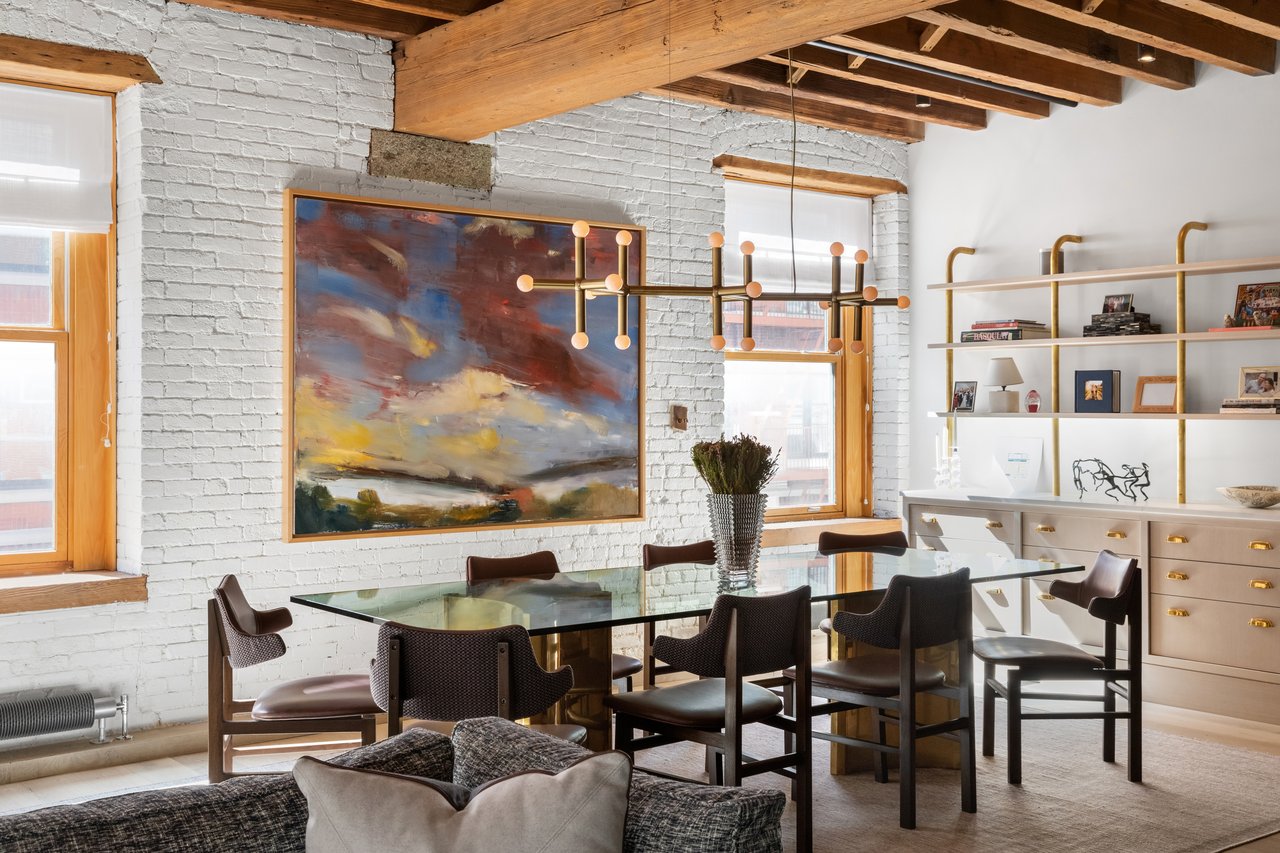
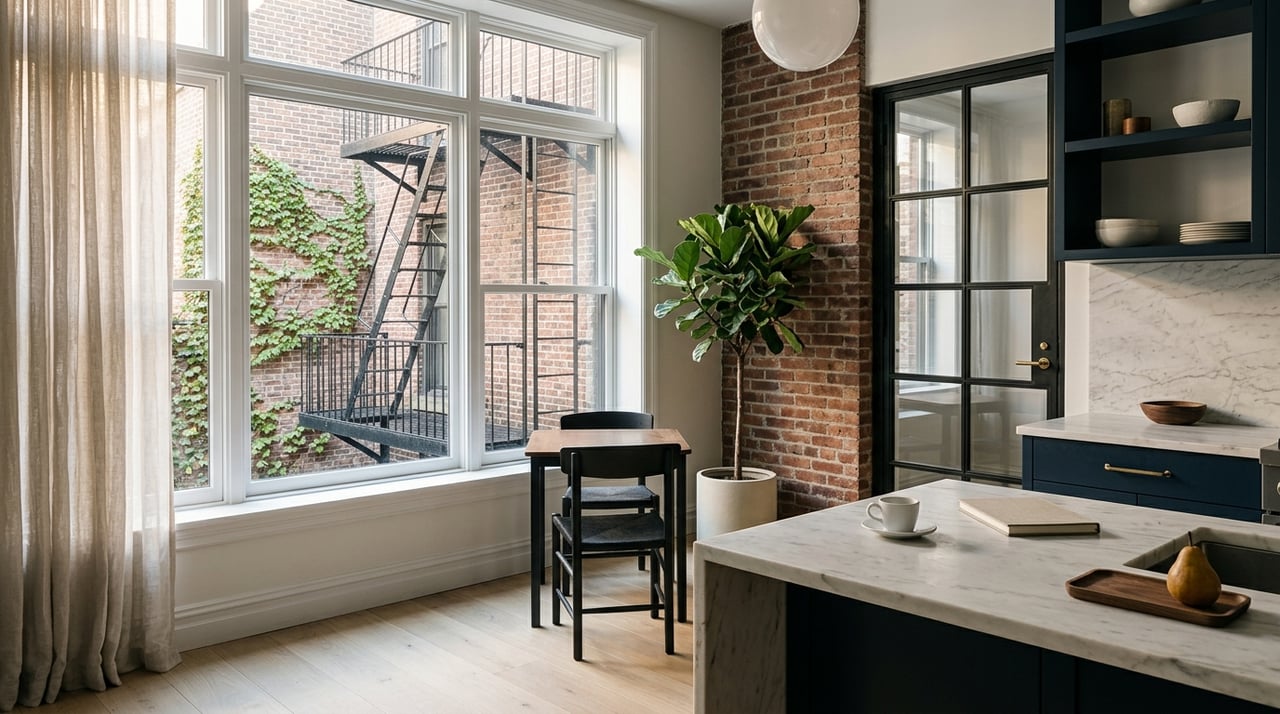
Chelsea is best understood as a neighborhood of contrasts. Planning documents describe a built environment that ranges from prewar brownstones and townhouses to converted lofts and mid- to high-rise buildings, with traces of its industrial past still visible in former warehouses, garages, and rail infrastructure.
That mix shapes your day in a very real way. One block can feel open and public, while the next feels residential and tucked into a more everyday rhythm. If you are considering Chelsea, it helps to think in micro-areas rather than one broad label.
Riverfront life feels active and open
Along the west side, the Chelsea section of Hudson River Park runs from West 17th to West 34th Streets. This stretch includes sailing, outrigger canoeing, the park’s largest lawn, a skate bowl, a carousel, Chelsea Waterside Park, and Chelsea Piers.
In practice, that means the riverfront feels energetic and communal. Hudson River Park draws millions of visits each year, so this is not a hidden pocket of greenery. It is a true public amenity where recreation is part of the neighborhood’s daily rhythm.
Mornings often start outside
If you live near the river, your mornings can feel unusually expansive for Manhattan. Wide park space, sports facilities, and waterfront paths make it easy to begin the day with a walk, a workout, or a commute that feels a little more scenic than usual.
Chelsea Piers adds to that early-day momentum. With its large waterfront sports complex, it reinforces the sense that wellness and movement are built into the neighborhood, not treated like a special occasion.
Evenings can quiet down by the water
At night, the waterfront can offer a different pace from the more visitor-heavy parts of Chelsea. A riverside walk often feels calmer than the busier corridors around destination dining and major attractions.
That said, this is still an active part of Manhattan. The appeal is not isolation. It is the ability to step into open space without leaving the city behind.
The High Line corridor feels busy
Few places define Chelsea more than the High Line and the surrounding blocks. The High Line repurposed an abandoned freight rail line into a public park running from Gansevoort Street to 34th Street, with more than a dozen access points and daily hours from 7 a.m. to 10 p.m.
That accessibility helps make this area one of the most pedestrian-heavy parts of the neighborhood. If you live near it, you are close to one of Manhattan’s most recognizable public spaces, but you are also living near one of its biggest draws for visitors.
Chelsea Market adds all-day energy
Chelsea Market at 75 Ninth Avenue plays a big role in that atmosphere. It is positioned as a neighborhood market for morning coffee, lunch, dinner, local shopping, and immersive art, and it stays open from 7 a.m. to 10 p.m.
Its history as the former National Biscuit Company factory also says a lot about Chelsea’s character. The neighborhood often blends old industrial bones with modern lifestyle uses, and Chelsea Market is one of the clearest examples of that identity.
Expect foot traffic near the icons
This part of Chelsea tends to feel the most outward-facing. The mix of the High Line, Chelsea Market, and nearby cultural destinations creates steady movement throughout the day.
For some buyers, that is the appeal. You can step outside and immediately be part of a lively, walkable stretch of New York. For others, it is an important tradeoff to consider if you prefer a more low-key block.
West Chelsea feels creative and mixed-use
West Chelsea has a distinct identity shaped by its gallery district. Planning materials describe it as a premier art gallery area, with galleries and art-related uses concentrated on the midblocks between West 20th and West 27th Streets between Tenth and Eleventh Avenues.
Many of these uses occupy former garages, warehouses, and other light-industrial buildings. As a result, the area has a strong sense of adaptive reuse, where architecture and culture feel closely linked.
Art and nightlife share the streets
West Chelsea is not gallery-only. The same planning materials note that restaurants, cafés, bars, and nightlife have accumulated around the district as well.
That gives the area a layered feel. In the afternoon, you might pass gallery visitors and people heading to the park. In the evening, the energy can shift toward dining and social activity depending on the block.
East of Tenth feels more residential
If you are looking for the quieter side of Chelsea, east of Tenth Avenue is often where the neighborhood starts to feel more lived-in. Planning documents describe this area as Chelsea’s residential core, with a housing mix that includes brownstones, townhouses, converted lofts, apartment buildings, condos, and co-ops.
This is also where daily life often feels most practical. You still have access to Chelsea’s amenities, but the atmosphere tends to read as more neighborhood-oriented than destination-driven.
Errands cluster along the avenues
Eighth, Ninth, and Tenth Avenues are important to how this part of Chelsea functions. Planning documents note that these corridors have become home to restaurants, cafés, shops, and services.
That means your routine may feel easy and walkable in a very everyday way. Coffee, casual dining, and basic errands are often folded into the avenue rhythm rather than concentrated in one single shopping district.
A typical day in Chelsea
One of Chelsea’s biggest strengths is how many versions of a New York day it can support. The neighborhood works well for people who want flexibility in how they spend their time, whether that means outdoor activity, culture, dining, or a quieter home base.
Here is what that often looks like in practice.
Morning
Morning in Chelsea often begins outdoors. The High Line opens at 7 a.m., and the riverfront offers wide-open paths and recreation space, so it is easy to build movement into the start of your day.
If you are closer to the eastern side of the neighborhood, the start of the day may feel more residential and routine-driven. If you are farther west, the park becomes a more immediate part of your daily experience.
Midday
Midday tends to revolve around food and errands more than formal shopping. Chelsea Market is a major part of that, especially for a quick lunch, coffee stop, or casual browse.
This is also when the neighborhood’s convenience becomes obvious. Chelsea blends lifestyle destinations with practical day-to-day uses in a way that makes it easy to move through your day on foot.
Afternoon
Afternoons often split between culture and park time. You might spend time near the galleries of West Chelsea or use the High Line and the waterfront as a break in the middle of a busy schedule.
The High Line can get crowded, and weekday afternoons or evenings are often the calmer windows for a visit. That is useful context if you are trying to imagine what living nearby really feels like on an average day.
Evening
In the evening, Chelsea can head in two different directions. Some blocks lean quieter, especially near the river or on more residential side streets, while others stay active with dining, strolling, and nightlife.
This is one of the most important truths about the neighborhood. Your nightly experience depends heavily on the exact block and avenue, not just the Chelsea address.
Transit is part of the appeal
Chelsea stands out because it combines strong transit access with a recreation-focused lifestyle. The High Line is close to the A, C, and E at 14th, 23rd, and 34th Streets, the L at 14th Street and Eighth Avenue, the 7 at 34th Street and Hudson Yards, and the Long Island Rail Road at Penn Station.
Chelsea Market also references the A, C, E, and L at 14th Street and Eighth Avenue, along with the M11 bus on Ninth Avenue. For many residents, that means the neighborhood offers both movement and convenience without forcing a choice between the two.
The real Chelsea tradeoff
The best way to sum up daily life in Chelsea is this: the neighborhood offers range, but the most iconic areas are also the busiest. The High Line, Chelsea Market corridor, gallery midblocks, and avenue corridors bring strong foot traffic and destination energy.
Meanwhile, the more residential streets east of Tenth Avenue usually feel quieter and more everyday. Neither experience is better. It simply depends on whether you want to live in the middle of the action or just close enough to enjoy it when you choose.
Why Chelsea resonates with buyers
Chelsea appeals to buyers who want variety built into their surroundings. The architecture, public spaces, and block-by-block shifts give the neighborhood a layered feel that is hard to replicate elsewhere in Manhattan.
It also offers something many buyers value: optionality. You can have waterfront recreation, art, dining, and a more residential home base within a relatively compact area, which makes the neighborhood feel dynamic without feeling one-note.
If you are exploring Chelsea, the key is to evaluate not just the apartment or townhouse, but the exact pocket around it. In a neighborhood defined by contrast, the right fit often comes down to matching your routine to the right stretch of blocks.
If you are thinking about buying or selling in Chelsea, the right guidance can help you read those block-by-block differences with much more confidence. The Kirsten Jordan Team offers informed, high-touch support for clients navigating Manhattan’s most nuanced micro-markets.
FAQs
What does daily life in Chelsea, NYC feel like?
- Daily life in Chelsea usually feels varied and block-specific, with riverfront recreation to the west, busy pedestrian energy near the High Line and Chelsea Market, creative activity in West Chelsea, and more residential routines east of Tenth Avenue.
Is Chelsea in Manhattan quiet or busy?
- Chelsea can feel either quiet or busy depending on the block, with the most visitor-heavy areas near the High Line, Chelsea Market, and major avenue corridors, and calmer residential streets generally east of Tenth Avenue.
What is the High Line area in Chelsea like?
- The High Line area tends to feel lively, walkable, and destination-oriented, with steady foot traffic, nearby dining, and easy access to one of the neighborhood’s most recognizable public spaces.
What is West Chelsea known for?
- West Chelsea is known for its gallery district, where art spaces are concentrated in former industrial buildings, alongside restaurants, cafés, bars, and nightlife that give the area a mixed-use feel.
What is the residential part of Chelsea like?
- The more residential part of Chelsea is generally east of Tenth Avenue, where you will find a mix of brownstones, townhouses, lofts, condos, co-ops, and everyday services along the avenue corridors.
Is Chelsea good for walking and transit?
- Chelsea is highly walkable and transit-rich, with access to multiple subway lines, the M11 bus, and nearby Penn Station, while also offering parks, waterfront space, and destination corridors that support an on-foot lifestyle.