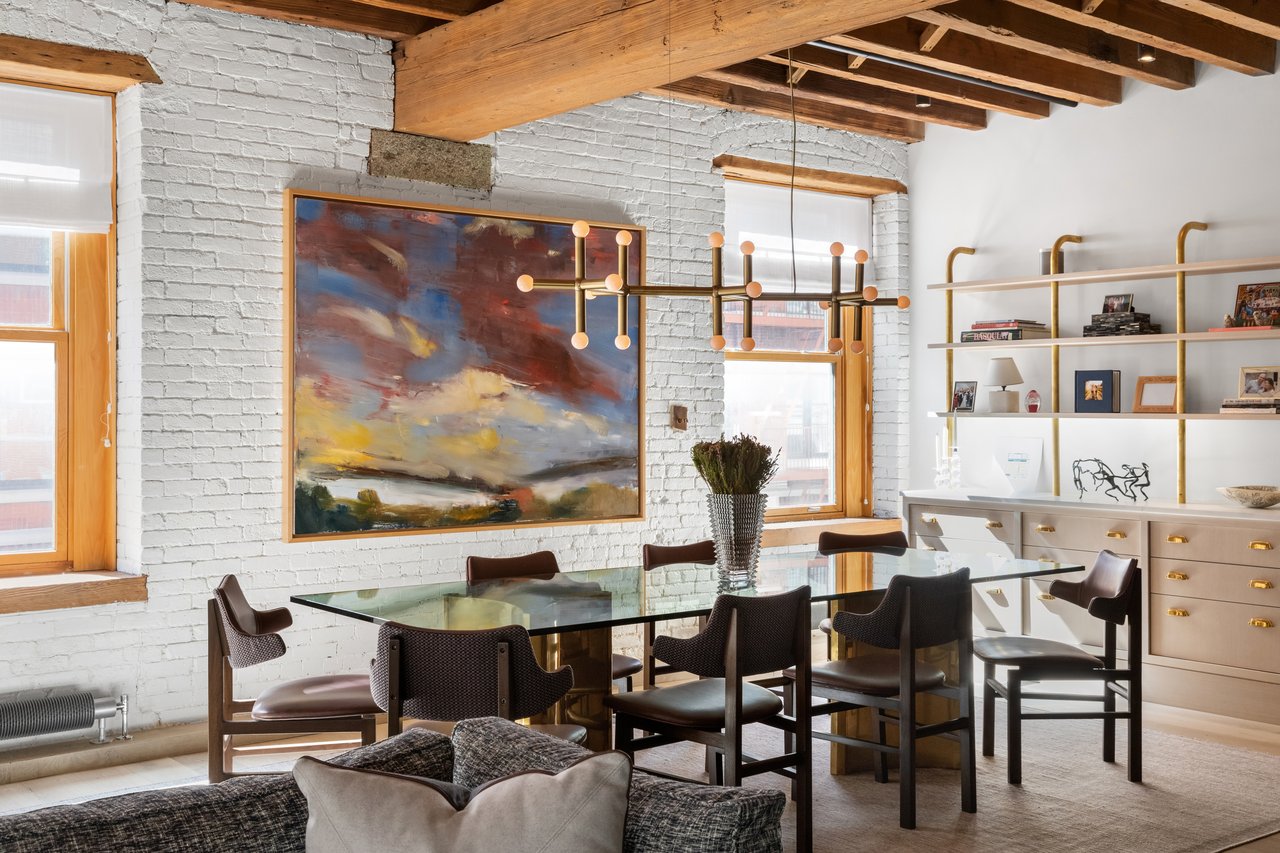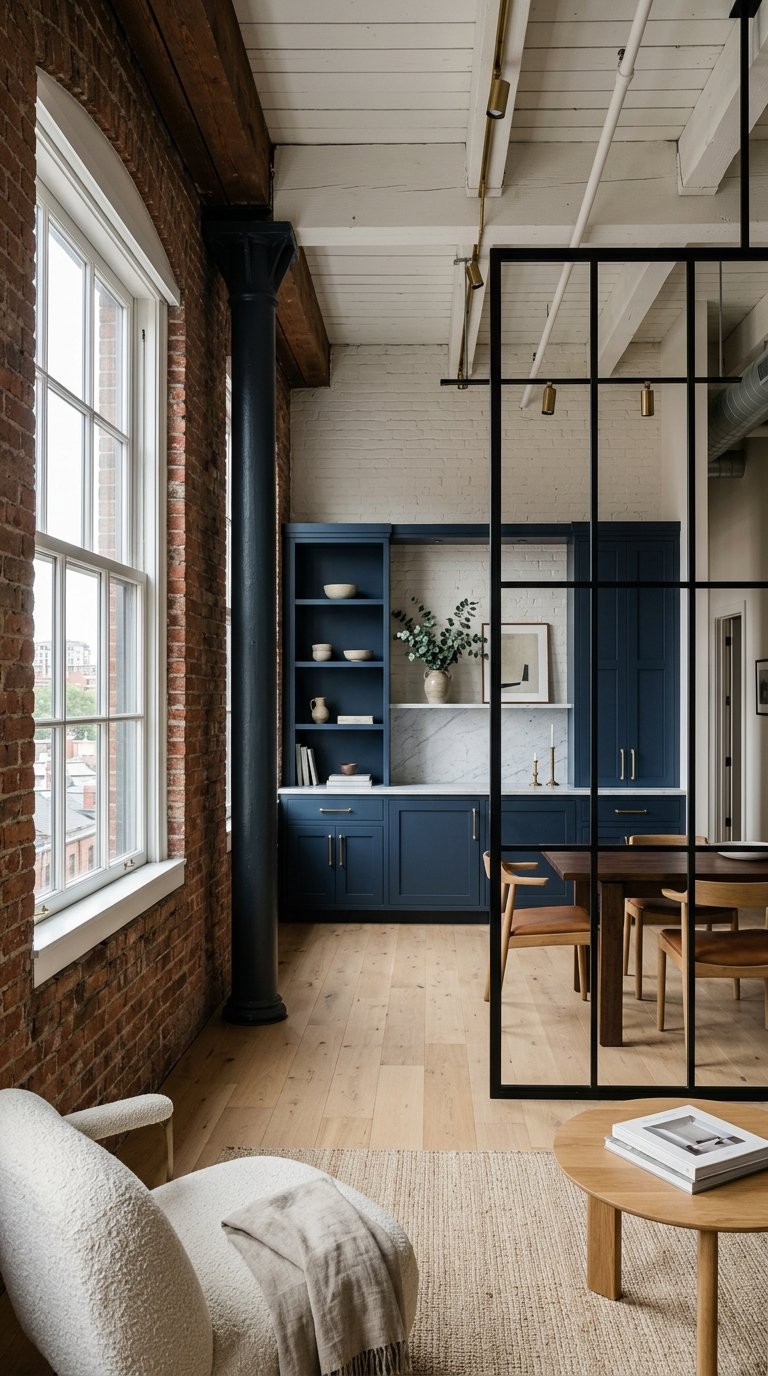
If you have started touring Tribeca lofts, you have probably noticed something quickly: two homes with similar asking prices can feel completely different in person. That is because Tribeca loft living is shaped by historic building stock, conversion quality, and day-to-day livability just as much as by square footage or finishes. If you want to buy wisely, you need to look past the drama and evaluate what will actually serve you now and support resale later. Let’s dive in.
Why Tribeca lofts vary so much
Tribeca is not one uniform loft market. The neighborhood includes multiple historic districts, including Tribeca West, East, North, South, and the South Extension, and those designations can affect how buildings are altered over time. In practical terms, that means a loft’s building age, façade type, and conversion history can matter as much as the apartment itself.
Tribeca also developed as a long-running commercial and industrial district before shifting toward more residential use. Planning materials note that mixed uses, broad north-south streets, and the Holland Tunnel approach all shape continuity, access, and block-by-block character. For you as a buyer, that can translate into major differences in light, quiet, and views from one loft to the next.
Start with the apartment itself
A great Tribeca loft is not just photogenic. It should feel functional, comfortable, and flexible enough for the way you actually live.
Check real ceiling height
High ceilings are one of the biggest reasons buyers are drawn to lofts, and they often help desirability and resale. But not every lofty-looking space offers the same usable volume. You should confirm the actual finished ceiling height and pay attention to whether the openness is truly functional or simply styled to feel bigger.
As you walk the apartment, think about how the scale works with real furniture, lighting, and circulation. A dramatic room can still feel awkward if the proportions do not support everyday living. In a loft, volume matters most when it improves comfort and flexibility.
Study light and window exposure
Tribeca buildings are known for large window openings and varied window patterns. That can be a huge asset, but the experience of light can change dramatically depending on whether the apartment faces a street, courtyard, or narrow light well. Two lofts on nearby blocks can feel worlds apart by midday or early evening.
In landmarked buildings and historic districts, window changes may require review by the Landmarks Preservation Commission. That makes it important to understand not only how much light you get, but also whether the windows are original, replaced, or subject to preservation-related constraints. If natural light is a priority for you, visit at different times of day whenever possible.
Evaluate columns and structural layout
Many Tribeca loft buildings were designed around structural bays and work-oriented openings. Inside the apartment, that history can show up as columns, offsets, and unusual wall runs. Those features can add character, but they can also affect how easily you can place furniture, define bedrooms, or create privacy.
This is where buyers sometimes focus too much on atmosphere and not enough on function. A column in the wrong place can interrupt circulation or limit layout options in ways that become frustrating over time. You want a structural grid that works with your intended use, not against it.
Look for authentic industrial details
Part of Tribeca’s appeal comes from its architectural history. Features like cast-iron elements, loading-bay character, original openings, and other industrial details often contribute to a loft’s identity and resale appeal. That sense of authenticity is a real part of what buyers are paying for.
At the same time, it is worth separating original fabric from later decorative updates that only imitate period character. If design history matters to you, ask what is truly original and what has been added later. Authenticity and craftsmanship often hold value better than surface-level mimicry.
Test privacy and acoustics
Classic loft living usually means open space, fewer interior walls, and less separation between rooms. That can feel elegant and expansive, but it does not work equally well for every household. Before you fall for the visual impact, think carefully about privacy, noise, and how the apartment functions on a normal weekday.
If you work from home, host often, or need more than one person to use the space comfortably at once, openness can become a tradeoff. The best loft is not always the most dramatic one. It is the one that matches your real routines.
Assess the building, not just the loft
In Tribeca, building-level due diligence is just as important as apartment-level appeal. An impressive interior does not offset weak legal status, deferred maintenance, or uneven building operations.
Confirm legal status and conversion quality
Some former commercial or manufacturing spaces in New York City fall under Loft Board rules. Buildings covered by the Loft Law may be interim multiple dwellings, also called IMDs, and may still be in the process of legalization rather than fully established as standard residential buildings.
Before you buy, verify whether the loft is in a fully legalized condo or co-op, an IMD still under Loft Board jurisdiction, or a conversion with unresolved work or violations. This step is essential in a neighborhood with so much converted building stock. A beautiful apartment should also sit inside a sound legal framework.
Compare service levels realistically
Because many Tribeca loft buildings began as warehouses or commercial structures instead of purpose-built luxury towers, service and amenity packages can vary widely. You should not assume that every loft building offers the same level of staffing, elevator quality, storage, package handling, or superintendent responsiveness.
Even among high-end properties, the operating style of the building can shape your day-to-day experience. A polished lobby does not tell you everything. Ask how the building actually functions for residents.
Review common charges and reserves
Monthly carrying costs deserve close attention, especially in older converted buildings. Key due-diligence items include cash reserves, pending or special assessments, master insurance, and the remaining useful life of major building components.
Weak reserves or deferred maintenance can lead to higher future costs, whether through monthly increases or one-time assessments. In a loft building, charm should never distract from the financial health of the property. You want stewardship that supports long-term ownership, not surprises after closing.
Check permit and landmark history
In Tribeca, permit history can tell you a great deal. The Landmarks Preservation Commission tracks permit applications and permits for landmarked and historic-district buildings filed since January 1, 2016, which can help buyers review prior work such as façade repairs, window replacements, rooftop changes, and storefront alterations.
This matters for two reasons. First, it can help you understand what has already been done to the building. Second, it can clarify how preservation rules may affect future changes you might want to make.
The four questions every buyer should ask
When you compare Tribeca lofts, four questions can bring clarity fast. They help you cut through staging and focus on what really drives enjoyment and resale.
How much is truly original?
Ask how much of the apartment’s appeal comes from authentic original fabric versus later renovation work. Original details can carry real character, but only if they are actually there.
How does the light behave?
Ask how light enters the apartment throughout the day. Exposure, nearby buildings, and window conditions can change the feeling of a loft more than finishes ever will.
Does the layout work?
Ask whether the structural grid helps or hurts the way you want to live. Columns, wall runs, and circulation patterns should support your layout goals.
Is the building well run?
Ask whether the building’s legal, financial, and service profile supports stable ownership. Strong stewardship often matters just as much as style in a long-term purchase.
Keep resale in mind from day one
In Tribeca, resale tends to reward a combination of authenticity, usable light, efficient circulation, and credible building stewardship. A loft with striking character but awkward columns, limited exposure, or unresolved building issues may be harder to enjoy and harder to resell than a less flashy but more balanced apartment.
That is why a disciplined buying process matters. You are not simply buying a dramatic interior. You are buying the building story, the legal framework, the light, the layout, and the ownership experience that come with it.
If you are weighing multiple Tribeca lofts, a clear comparison process can make all the difference. The right guidance helps you separate true long-term value from features that only look compelling at first glance. When you are ready for a more strategic search, the Kirsten Jordan Team can help you evaluate opportunities with the level of care, discretion, and market insight this neighborhood deserves.
FAQs
What should buyers compare first in a Tribeca loft?
- Start with ceiling height, light, window exposure, column placement, privacy, and whether the layout supports the way you actually live.
Why does building history matter when buying a Tribeca loft?
- Tribeca includes several historic districts and many converted commercial buildings, so age, façade type, alteration history, and conversion quality can affect both ownership experience and future flexibility.
What is an IMD in a Tribeca loft building?
- An IMD is an interim multiple dwelling, which is a building that may still be under Loft Board jurisdiction and may not yet have a residential certificate of occupancy while legalization is in progress.
How do landmark rules affect Tribeca loft buyers?
- In landmarked buildings and historic districts, certain exterior changes such as windows, façades, rooftops, and storefront elements may require Landmarks Preservation Commission review.
Why can two Tribeca lofts on nearby blocks feel so different?
- Light, quiet, views, access, and building conditions can vary widely in Tribeca because of the neighborhood’s industrial history, mixed-use character, broad streets, and block-by-block differences.
What building financial details should Tribeca loft buyers review?
- Review common charges, cash reserves, pending or special assessments, master insurance, and the condition and remaining useful life of major building components.