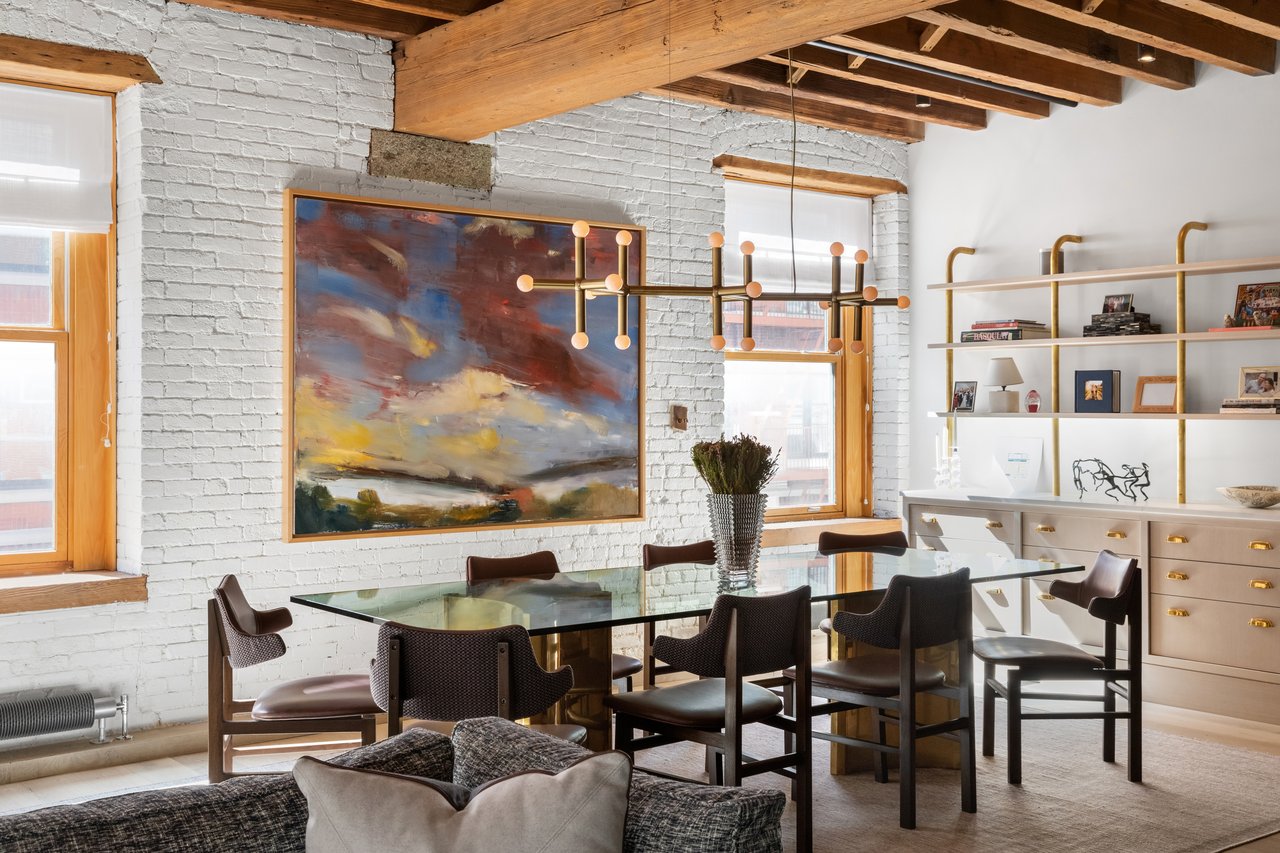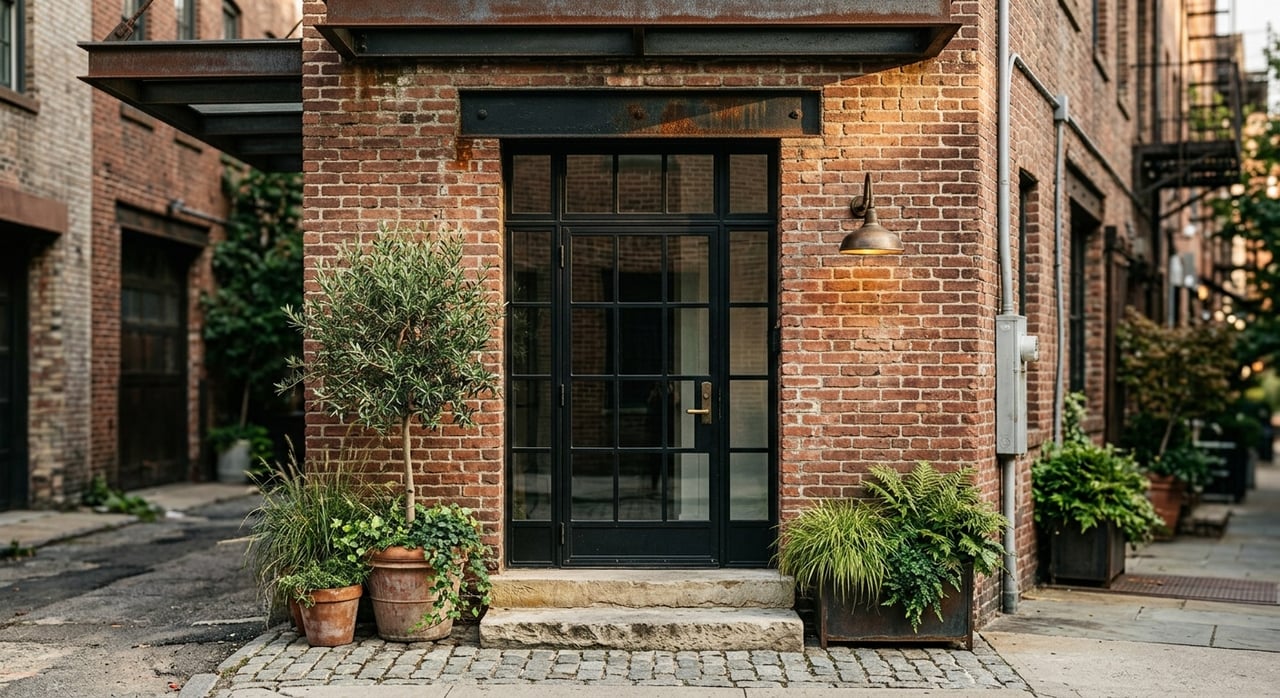
What if Brooklyn’s next standout design enclave is not polished to perfection, but shaped by salt air, warehouse scale, and a working waterfront that still feels real? If you are drawn to neighborhoods with texture, character, and a strong point of view, Red Hook deserves a closer look. This guide breaks down what makes Red Hook distinctive today, from its built form and creative energy to its access tradeoffs and long-term outlook. Let’s dive in.
Why Red Hook Feels Different
Red Hook sits on a peninsula in southwest Brooklyn, bordered by Upper New York Bay, Buttermilk Channel, Red Hook Channel, and the Gowanus Canal. That geography gives the neighborhood a sense of separation that many buyers and visitors notice right away. New York City also notes that the Brooklyn-Queens Expressway helped cut Red Hook off from the rest of Brooklyn, reinforcing its independent feel.
That isolation is not a flaw in the story. It is part of the identity. Red Hook continues to read as a working waterfront with an industrial aesthetic, cobblestone streets, warehouses, museums, quirky bars, and maker-led shops and galleries.
Red Hook’s Design Appeal
For buyers who care about architecture and atmosphere, Red Hook offers a layered visual language. City planning materials describe a mixed-use neighborhood where two- to four-story rowhouses, four- to six-story multifamily lofts, and low-rise industrial buildings all coexist. That range creates a streetscape with more variety than many neighborhoods built around a single housing type.
This is one reason Red Hook feels increasingly relevant in design conversations. You can see adaptive reuse, older commercial stock, low-rise warehouses, and residential buildings sharing the same local fabric. The result is not uniform, but it is memorable.
A Mixed Housing Story
Red Hook is not defined by one kind of home or one kind of block. More than half of the neighborhood’s residents live in the 30-building NYCHA Red Hook Houses, according to New York City SBS, while other parts of the neighborhood include rowhouses, loft-style multifamily buildings, warehouses, and commercial corridors.
That mix matters when you evaluate the area. It means Red Hook should be understood as a neighborhood with multiple built forms and uses, rather than a single residential product. For buyers and sellers alike, that variety helps explain why the neighborhood can feel both deeply local and visually distinctive.
The Power of Industrial Scale
In Red Hook, scale does a lot of the storytelling. Tall warehouse buildings, broad streets, and low-rise commercial stock create a sense of openness that feels different from tighter brownstone blocks elsewhere in Brooklyn. Even when the housing is modest in height, the surrounding industrial framework gives the area an expansive quality.
For design-minded buyers, that can translate into a certain kind of appeal. The neighborhood’s atmosphere comes as much from volume, light, and materials as it does from any one address.
The Creative Ecosystem Is Real
Red Hook’s cultural identity is not just branding. It is supported by institutions and working creative spaces that give the neighborhood an active, visible arts presence. Pioneer Works, an artist- and scientist-led cultural center, remains one of the neighborhood’s best-known anchors, and New York City said in 2025 that its renovation reinforced that role.
Kentler International Drawing Space on Van Brunt Street adds to that cultural footprint. The neighborhood also supports open-studio activity and a maker-and-gallery ecosystem that fits naturally with Red Hook’s industrial bones.
Why Makers Fit Here
Some neighborhoods add creative uses after the fact. In Red Hook, the physical environment already supports them. Warehouses, loft-like spaces, and low-rise commercial buildings provide the kind of setting where studios, fabrication, exhibition, and small-scale retail can coexist.
That is a key reason Red Hook feels reimagined rather than reinvented. Its design story grows out of the neighborhood’s existing structure, not in spite of it.
Dining Adds Destination Energy
Red Hook’s food scene plays a major role in how people experience the neighborhood. Official and tourism sources consistently point to destinations like Red Hook Tavern, Hometown Bar-B-Que, Red Hook Lobster Pound, and Brooklyn Crab as part of the area’s draw. These are not framed as simple convenience stops. They help define the neighborhood as a place for harbor views, longer meals, and weekend visits.
That matters in real estate because lifestyle is not just about what sits inside a building. It is also about what gives a neighborhood rhythm. In Red Hook, destination dining helps create a sense of occasion that supports the area’s identity.
Van Brunt Street as the Spine
Van Brunt Street remains Red Hook’s primary retail corridor, according to city planning and SBS materials. It is where much of the neighborhood’s daily commercial energy shows up, from local storefronts to cultural destinations.
For buyers exploring the neighborhood, this corridor often provides the clearest first impression. It shows how Red Hook balances neighborhood-serving retail with the independent, design-conscious feel that has become part of its reputation.
The Tradeoff: Access Is Usable, Not Effortless
A smart Red Hook conversation should include the practical side. Daily life here is shaped by transit that works, but often requires more planning. NYC Ferry’s South Brooklyn Route stops in Red Hook at Ferris Street and Clinton Wharf, but the neighborhood also relies heavily on buses and longer walks to reach subway service.
According to the city transportation study, the nearest F and G subway stops are Carroll Street and Smith-9th Street. The same materials note that poor pedestrian conditions are widespread. If you are considering Red Hook, it is important to weigh that friction against the neighborhood’s atmosphere and waterfront appeal.
Why the Isolation Still Appeals
For some buyers, convenience is the top priority. For others, a sense of remove is part of the value. Red Hook’s transit challenges are real, but they also reinforce the neighborhood’s island-in-the-city feeling, which NYC SBS specifically highlights.
That tradeoff will not suit everyone. But for people who want character, views, and a stronger sense of place, Red Hook’s separation from the faster-moving parts of Brooklyn can feel like part of the luxury.
Waterfront Views and Long-Term Investment
Red Hook’s setting is one of its clearest strengths. Harbor views, open sky, and waterfront edges give the neighborhood a visual quality that is increasingly hard to find. Combined with its cobblestone streets, industrial stock, and low-rise scale, that setting helps explain why the area continues to attract attention from design-forward buyers.
City materials also suggest that Red Hook is positioned to benefit from future investment tied to the Brooklyn Marine Terminal, coastal infrastructure, and nearby growth in Governors Island, Gowanus, and Carroll Gardens. That does not erase current tradeoffs, but it does point to a neighborhood with an evolving long-term story.
Resiliency Is Part of the Story Now
Any honest conversation about Red Hook real estate also has to include flood risk and infrastructure work. The neighborhood is low-lying, and the city has already broken ground on a $218 million Red Hook Coastal Resiliency project. According to the 2025 mayoral announcement, that work includes floodwalls, floodgates, and street redesigns aimed at protecting the waterfront.
This is important context for buyers and sellers. Resiliency planning is not a side issue here. It is part of how Red Hook’s future is being shaped.
Who Red Hook Speaks To
Red Hook tends to resonate with buyers who respond to atmosphere as much as inventory. If you are looking for a neighborhood that feels polished, seamless, and transit-simple, Red Hook may feel too rugged. If you value adaptive reuse, harbor views, destination dining, and a built environment with genuine texture, it may feel like one of Brooklyn’s most compelling pockets.
That distinction matters when you think about positioning. In a neighborhood like Red Hook, the story around a property matters almost as much as the property itself. Architecture, light, materials, and context all play an outsized role in how value is perceived.
What This Means for Buyers and Sellers
For buyers, Red Hook rewards close observation. You are not just comparing square footage or finishes. You are evaluating micro-location, access, built context, waterfront proximity, and how a home fits into the neighborhood’s design-driven identity.
For sellers, presentation is especially important. In a market where atmosphere carries real weight, a home’s narrative, visual strategy, and positioning can shape how buyers understand its place in the neighborhood.
Red Hook is not trying to be everything to everyone. That is exactly why it stands out. It remains a working waterfront first, but one that has absorbed arts, dining, and small-scale retail without losing its industrial edge. For buyers and sellers who understand that mix, Red Hook can feel less like a trend and more like a lasting point of view.
If you are thinking about buying or selling in Brooklyn and want a sharper read on how neighborhoods like Red Hook are evolving, the Kirsten Jordan Team offers thoughtful, high-touch guidance shaped by design, positioning, and market strategy.
FAQs
What makes Red Hook, Brooklyn different from other waterfront neighborhoods?
- Red Hook stands out for its working waterfront identity, industrial aesthetic, cobblestone streets, mixed building stock, and relative separation from the rest of Brooklyn.
What types of homes and buildings are found in Red Hook, Brooklyn?
- Red Hook includes two- to four-story rowhouses, four- to six-story multifamily lofts, NYCHA Red Hook Houses, warehouses, and low-rise commercial and industrial buildings.
What is the main retail corridor in Red Hook, Brooklyn?
- Van Brunt Street is identified by city materials as Red Hook’s primary retail corridor.
How do you get to Red Hook, Brooklyn?
- Red Hook is served by NYC Ferry’s South Brooklyn Route at Ferris Street and Clinton Wharf, along with bus service, while the nearest F and G subway stops are Carroll Street and Smith-9th Street.
What should buyers know about flood protection in Red Hook, Brooklyn?
- Buyers should know that Red Hook is a low-lying waterfront neighborhood and that the city has broken ground on a $218 million coastal resiliency project that includes floodwalls, floodgates, and street redesigns.
Why is Red Hook, Brooklyn attracting design-minded buyers?
- Red Hook appeals to design-minded buyers because of its adaptive reuse potential, industrial scale, harbor views, mixed housing texture, maker-led creative scene, and destination dining culture.