You do not come to Red Hook for a cookie-cutter Brooklyn housing search. You come here because the neighborhood offers something harder to find in New York: a layered mix of loft-like warehouse conversions, classic low-rise homes, waterfront townhouses, and a public realm shaped by parks, piers, and an active working edge. If you are considering a move here, understanding building type, legal status, transit, and long-term neighborhood change can help you shop with more confidence. Let’s dive in.
Why Red Hook Homes Feel Different
Red Hook stands apart because housing and industry still sit close together. Current city planning materials describe a neighborhood with residential uses in the interior, industrial uses at the edges, and commercial activity centered along Van Brunt and Lorraine. That creates a housing mix that feels unusually varied for a compact part of Brooklyn.
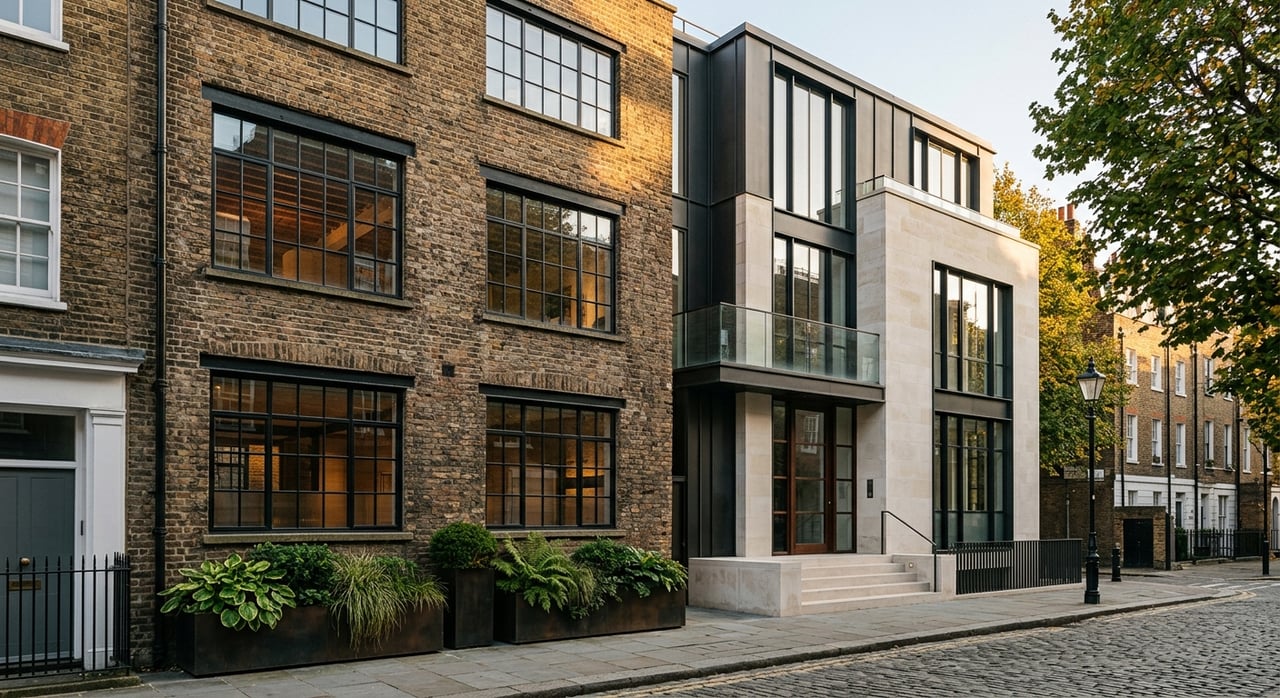
The built form also helps explain the vibe. In the residential core, R5 and R6 zoning typically supports three- and four-story attached houses and small apartment buildings. At the edges, manufacturing districts continue to accommodate warehouses and loft buildings, which is why Red Hook can feel more like an industrial waterfront village than a uniform townhouse or condo market.
Red Hook Transit and Access
If you are comparing Red Hook to other Brooklyn neighborhoods, transportation should be part of your decision early on. The area is served by the B57 and B61, with the B63 ending at the northern edge of the study area, and NYC Ferry’s South Brooklyn route stops at Ferris Street and Clinton Wharf. There are no subway stations in the study area.
For some buyers, that tradeoff is part of the appeal. You may be giving up rail access, but you gain a quieter, lower-rise setting with a more distinct waterfront identity. Your daily routine matters here, so it is worth being honest with yourself about whether bus-and-ferry access fits your lifestyle.
Main Home Types in Red Hook
Converted Warehouses and Lofts
This is one of the most recognizable Red Hook housing categories. City planning materials note that manufacturing districts in the neighborhood mostly contain warehouses, a few large loft buildings, and some small walk-up residential buildings. These homes often appeal to buyers who want open layouts, industrial character, and a sense of scale that is hard to replicate in more conventional apartments.
That said, style should never replace diligence. The Department of Buildings treats a warehouse-to-residential project as a loft conversion, and buyers should confirm whether a unit is a legal residential conversion or whether it is still subject to Loft Board or Interim Multiple Dwelling rules. In Red Hook, a beautiful space is not the same thing as a straightforward one.
Townhouses and Low-Rise Blocks
If you want a more traditional ownership experience, Red Hook’s interior residential core may be the better fit. Planning materials say these areas typically include three- and four-story attached houses and small apartment buildings, while older planning documents describe two-story brick and wood-frame structures alongside larger public housing campuses.
This part of the neighborhood often delivers the townhouse-block feeling many buyers expect from brownstone Brooklyn, even though Red Hook’s look is distinct from other areas. Ownership here is also more likely to be anchored by a deed, which can feel simpler than a building-level share structure.
New-Build Condos and Infill
New development exists in Red Hook, but it is not the dominant story. Based on the neighborhood’s industrial and residential land-use mix and the limited amount of new housing relative to the overall district, this is a thinner slice of the market than in more actively redeveloped parts of Brooklyn.
For buyers, that can mean fewer interchangeable options and more property-by-property evaluation. It can also mean that newer inventory feels especially tied to broader neighborhood planning, public infrastructure, and waterfront change rather than a wave of uniform luxury construction.
Live-Work Spaces and IMDs
Live-work spaces are where Red Hook gets especially nuanced. The Loft Board explains that Interim Multiple Dwellings are former commercial or manufacturing spaces that were residentially occupied without a residential certificate of occupancy, and the Board oversees legalization, registration, fire egress compliance, and tenant protections.
If you are considering this kind of property, the details matter. You will want to verify IMD status, certificate of occupancy, and whether any legalization work remains. In a neighborhood with real industrial roots, legal use is one of the most important parts of the buying process.
Ownership Structure Matters
In Red Hook, the legal form of a home can matter just as much as its architecture. According to NYC Finance, a condominium is a deeded unit interest, while co-op ownership is documented through a proprietary lease and share certificate. For fee-simple homes such as townhouses, the recorded deed is the key ownership document.
Monthly costs can also work differently depending on the structure. Co-op owners do not receive the property tax bill directly because the board receives it and allocates taxes through common charges. That is one reason buyers should ask about ownership structure early, especially when comparing a loft, townhouse, condo, or co-op that may look similar on the surface but operate very differently.
Why Diligence Is So Important Here
Red Hook rewards buyers who ask smart questions. Because manufacturing zoning still exists in parts of the neighborhood, a finished interior does not automatically mean legal residential use. The Loft Law and Loft Board framework can be essential in turning certain former industrial spaces into legal homes.
This is especially relevant in a market where owner-occupied inventory is relatively selective. At the broader District 38 level, 68 percent of residents are renters and 32 percent are owners, and Red Hook Houses East and West are the largest NYCHA developments in Brooklyn. That does not make ownership less appealing, but it does mean the resale pool can be thinner and more specialized.
Red Hook’s Value Equation
Red Hook’s appeal tends to rest on character, waterfront access, and building individuality. This is not a neighborhood that primarily sells on subway adjacency or a standardized amenity package. Instead, buyers often weigh distinctive homes, harbor access, and public open space against industrial adjacency and an evolving infrastructure story.
That balance is part of what makes pricing here feel more nuanced. A loft conversion, a townhouse, and a newer condo may all offer compelling value, but for different reasons. In Red Hook, design appeal and location within the neighborhood often need to be considered alongside legality, access, and future area changes.
Parks and Waterfront Lifestyle
Public space is a major part of the neighborhood experience. Red Hook Recreation Area spans 58.5 acres, and Louis Valentino, Jr. Park and Pier offers waterfront access in a setting framed by industrial and historic buildings. For many buyers, these spaces are not just nearby perks. They are part of why Red Hook feels the way it does.
That means outdoor living in Red Hook is often bigger than a private terrace or roof deck. Shared neighborhood assets, including parks and piers, play a major role in daily life. When evaluating a home here, it is smart to think about both private outdoor space and the public waterfront environment you will actually use.
Coastal Resiliency and Future Change
Red Hook’s waterfront story is still evolving. Red Hook Coastal Resiliency is under construction and is described by the city as an integrated coastal protection system intended to reduce flood risk while maintaining waterfront access and improving public spaces. The city says this work is scheduled to finish in summer 2028.
That is important for buyers because it affects both the present and the future. You may be purchasing into a neighborhood with active infrastructure work today, but also one where flood protection and public-space improvements are part of a long-term investment in the area.
Brooklyn Marine Terminal to Watch
One of the biggest future catalysts is the Brooklyn Marine Terminal vision plan. The 2025 plan would add 6,000 homes, with 40 percent permanently affordable, at least 28 acres of public space, and expanded industrial, commercial, ferry, and bus infrastructure if it is fully implemented.
For buyers, this is less about making assumptions and more about understanding trajectory. Some parts of Red Hook’s change story are already underway, such as coastal resiliency work. Other parts remain in the planning and implementation pipeline, which means your purchase decision may include both current conditions and long-term neighborhood potential.
Smart Questions to Ask Before Buying
If you are exploring Red Hook, keep your search focused on a few practical questions:
- Is the home a condo, co-op, townhouse, loft, or IMD?
- Is the unit legally permitted for residential use?
- Does any legalization work remain?
- How much outdoor space is private versus shared through parks, piers, or roof areas?
- Does bus-and-ferry access work for your routine?
- Are you comfortable buying in a neighborhood with active resiliency work and longer-term redevelopment plans?
Those questions can help you compare homes on substance, not just style. In a place as layered as Red Hook, that clarity matters.
Red Hook is not a one-note market, and that is exactly the point. Its homes range from former industrial spaces to more traditional low-rise residences, and the neighborhood’s value comes from how architecture, waterfront access, legality, and future infrastructure all intersect. If you want help evaluating Red Hook with a sharper eye for both lifestyle and diligence, the Kirsten Jordan Team can guide you through the process with the thoughtful, high-touch support that distinctive properties demand.
FAQs
What types of homes can you buy in Red Hook?
- Buyers in Red Hook will typically encounter converted warehouses and loft-style homes, townhouses and low-rise residential buildings, a smaller number of new-build condos, and some legally sensitive live-work or IMD spaces.
Does Red Hook have subway access for homebuyers?
- No. Current city transportation planning says there are no subway stations in the study area, so Red Hook access is led by buses and the NYC Ferry.
Are Red Hook lofts always legal residential homes?
- Not necessarily. Buyers should verify legal residential status, certificate of occupancy, and whether a property is subject to Loft Board or IMD rules.
What should Red Hook townhouse buyers know about ownership?
- For fee-simple homes such as townhouses, the recorded deed is the key ownership document, which is different from condo deeded ownership or co-op share-and-lease ownership.
Why is due diligence especially important for Red Hook properties?
- Red Hook includes manufacturing areas, loft conversions, and live-work spaces, so buyers need to confirm legal use, ownership structure, and any remaining legalization requirements before moving forward.
How do parks and waterfront space affect Red Hook home value?
- Public open space is a meaningful part of the neighborhood’s appeal, with Red Hook Recreation Area and Louis Valentino, Jr. Park and Pier adding everyday lifestyle value beyond any private outdoor space a home may offer.
What future projects could shape Red Hook housing?
- Two major projects to watch are Red Hook Coastal Resiliency, which is under construction and scheduled by the city for completion in summer 2028, and the Brooklyn Marine Terminal vision plan, which could add housing, public space, and transit improvements if fully implemented.