Wondering whether Flatiron is the kind of Manhattan neighborhood you can actually live in, not just pass through on your way to work? That is a fair question. Flatiron has long been known for its office buildings, iconic architecture, and constant movement, but it is also becoming more residential in ways that matter if you are thinking about buying or renting here. If you want a neighborhood that feels central, polished, and active without losing a sense of place, Flatiron deserves a closer look. Let’s dive in.
Why Flatiron feels different
Flatiron stands out because it sits at the meeting point of several Manhattan rhythms. The local district organization describes it as the place where commercial and residential, and uptown and downtown, all come together. In everyday terms, that means you get a neighborhood that feels connected and useful, not isolated.
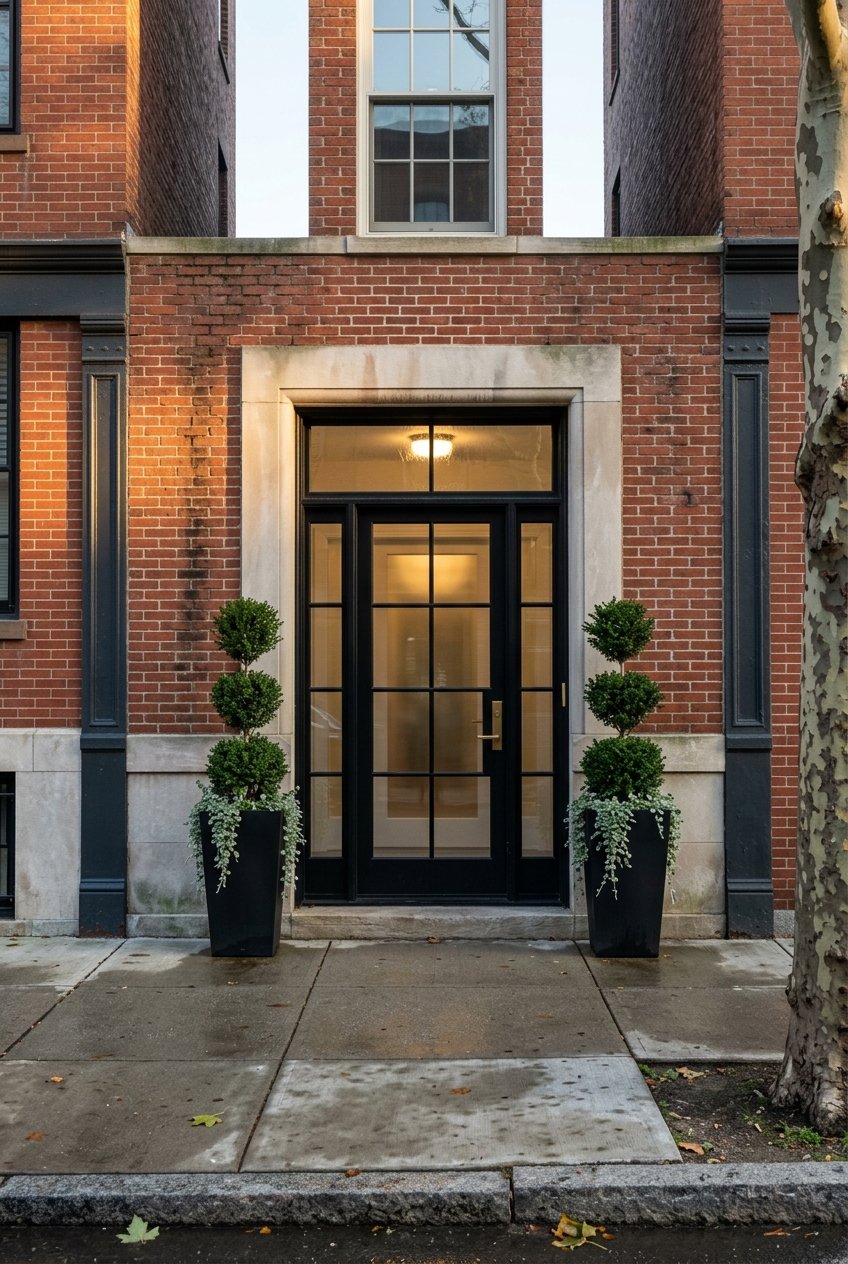
You can see that blend in the built environment. Around Madison Square Park and the Flatiron Building, the streetscape mixes landmark architecture, loft buildings, newer towers, and active ground-floor uses. The result is a neighborhood that feels historic, but still very much in motion.
A neighborhood with real identity
Flatiron is not trying to be one thing. Nearby, the Ladies’ Mile Historic District is defined by late-19th- and early-20th-century loft buildings, tall street walls, and minimal setbacks, with smaller commercial buildings mixed in. City Planning also notes the area has shifted from manufacturing toward residential and commercial use, which helps explain why Flatiron feels layered rather than frozen in time.
That ongoing change is part of the appeal. Even landmarked buildings here can evolve, and the city’s review of the Flatiron Building conversion shows how adaptive reuse continues to shape the neighborhood. In other words, history is a major part of Flatiron’s character, but it is not the whole story.
Madison Square Park anchors daily life
If you are choosing a Manhattan home base, public space matters. Madison Square Park gives Flatiron a daily rhythm that many central neighborhoods cannot match. It is a 6.2-acre public park with lawns, a playground, a dog run, public art programming, and events throughout the year.
The park is open from 6 a.m. to 11 p.m. in winter and until midnight in summer, while the lawns are open daily from 10 a.m. to 9 p.m. That kind of access makes a real difference if you want a morning walk, a midday reset, or an easy weekend plan close to home.
The plazas keep the area lively
The streets around the park add another layer to the experience. The Flatiron plazas include moveable tables and chairs, umbrellas, and kiosks, with more than 50,000 people passing through each day. For residents, that creates a neighborhood feel that stays active and social, even in a part of Manhattan known for office density.
This is one reason Flatiron can work so well as a home base. You are not relying on one park or one destination. You are living in a district where the public realm helps stitch together workdays, evenings, and weekends.
Flatiron works for day-to-day convenience
One of Flatiron’s biggest strengths is how practical it feels. The city’s Midtown South Mixed-Use Plan FAQ describes the broader area as one of the city’s most centrally located neighborhoods, with exceptional access to transit and jobs. That centrality is a major reason people consider Flatiron not just for visits, but for real daily living.
If your schedule takes you across Manhattan or beyond, location can be just as important as square footage or building amenities. Flatiron offers a strong case for buyers and renters who want to move through the city efficiently while still coming home to a neighborhood with its own identity.
Mixed-use energy can be a plus
Some buyers worry that a mixed-use district will feel too commercial. In Flatiron, that same mix is often what makes the area feel alive. There is daytime office and retail energy, but it shifts into park activity, dining, drinks, and events later in the day.
That balance is important. You are not looking at a neighborhood that empties out after business hours, and you are not choosing a purely residential pocket with limited street life. Flatiron offers a middle ground that appeals to many city buyers.
Dining and street life are part of the draw
Flatiron’s ground-floor mix says a lot about how the neighborhood functions. In the combined Flatiron and NoMad district, food and drink establishments made up 44% of ground-floor businesses in the third quarter of 2025, followed by retail at 20% and services at 19%. District-wide ground-floor occupancy was 85%.
Those figures come from the broader Flatiron and NoMad district, not Flatiron alone, but they still help illustrate the local pattern. The street life here is driven by everyday uses like dining, shopping, and services, which can make the area feel more lived-in and versatile.
Evenings do not feel like an afterthought
Flatiron also benefits from being part of a district with strong after-work and weekend appeal. The local district organization positions Flatiron and NoMad as a destination for food lovers and craft cocktail drinkers, and its Q3 2025 report showed employee visits up 11% year over year. The same report also noted a visitor surge during the first NoMad Jazz Festival weekend.
That matters because it reinforces the idea that Flatiron changes gears rather than shuts down. If you like a neighborhood with movement, dining options, and event energy, this part of Manhattan can feel especially rewarding.
The residential story is getting stronger
One of the biggest reasons Flatiron is worth watching right now is its growing residential momentum. The Midtown South Mixed-Use Plan, approved by the City Council on August 14, 2025, is expected to deliver more than 9,500 homes across 42 blocks of Midtown South, including over 2,800 permanently affordable homes, along with public-realm and transportation investments.
Parts of Flatiron are included in the plan’s Southeast Quadrant. According to the Flatiron/NoMad Partnership, that section now uses two densities, with the northern half at R12 and the southern half at R11. For consumers, the bigger takeaway is simple: city policy is actively supporting more housing in this broader area.
Conversions are part of the future
Office-to-residential conversion is also shaping the district’s next chapter. A March 2025 study prepared for the district found office vacancy at 19% and residential rental vacancy at 3%, with 57% of office square footage estimated to have high feasibility for conversion. The same study suggested the likely real-world conversion rate would be closer to 10% to 20%.
That is a meaningful signal for anyone thinking long term. It suggests demand for housing in the area is strong, and that more residential opportunities may continue to emerge over time.
The Flatiron Building itself is the clearest symbol of this shift. The city’s environmental review says the project could include up to 60 dwelling units and about 4,807 square feet of ground-floor retail, with upper floors converted to housing and exterior work kept limited. It is hard to find a more visible example of Flatiron becoming more residential while keeping its architectural identity intact.
What kind of buyer or renter fits Flatiron?
Flatiron tends to appeal to people who want convenience without giving up character. If you value a central location, strong park access, striking architecture, and a neighborhood that feels active throughout the day, Flatiron may line up well with your lifestyle. It can be especially appealing if you want a home base that supports both work and social plans with minimal friction.
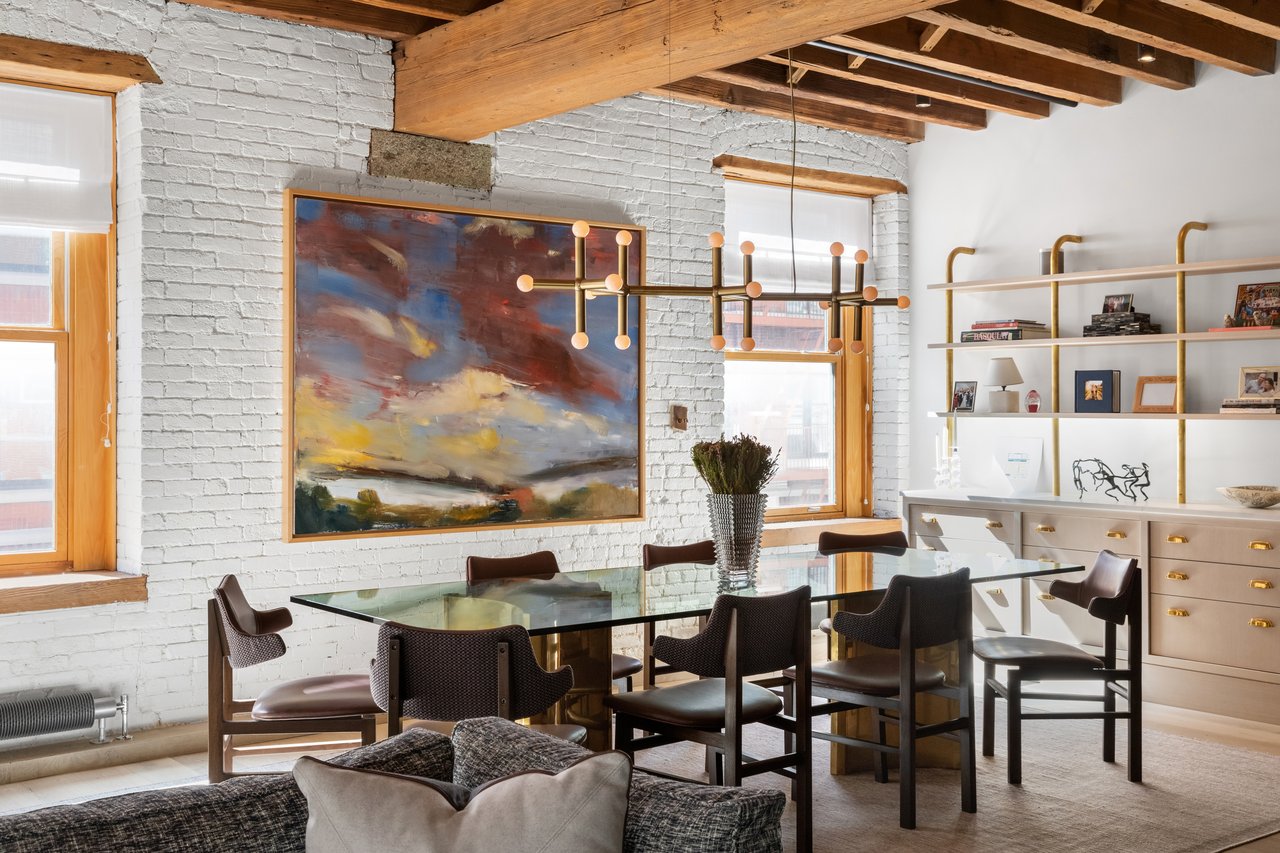
It may also appeal to buyers who appreciate design and adaptive reuse. Loft buildings, landmark surroundings, and residential conversions give the area a texture that feels distinctly Manhattan. You are not just choosing an address here. You are choosing a neighborhood story that combines old New York and evolving city living.
A balanced way to think about it
Flatiron is not the quietest or most secluded Manhattan neighborhood, and that is part of its identity. The same qualities that make it practical and lively can also mean more foot traffic and a stronger commercial presence than you might find in a more residential pocket.
For many people, that is exactly the point. If you want a neighborhood that feels central, animated, and increasingly residential, Flatiron offers a compelling blend of lifestyle and long-term relevance.
If you are considering a move in Flatiron, the right strategy starts with understanding which buildings, blocks, and property types best match how you want to live. The Kirsten Jordan Team offers buyer representation, leasing guidance, off-market sourcing, and white-glove support to help you navigate Manhattan with clarity and confidence.
FAQs
Is Flatiron District a good place to live in Manhattan?
- Flatiron can be a strong fit if you want a central Manhattan location with park access, active street life, landmark architecture, and a neighborhood that is becoming more residential over time.
What is Flatiron District known for in New York City?
- Flatiron is known for the Flatiron Building, Madison Square Park, historic loft architecture, mixed-use streets, and a blend of daytime business activity with dining and evening energy.
Does Flatiron District feel residential or commercial?
- Flatiron feels like a true mixed-use neighborhood, with both office and retail activity and a growing residential presence supported by recent city planning changes and building conversions.
What makes Madison Square Park important to Flatiron residents?
- Madison Square Park adds daily green space, recreation, public art, events, and a gathering place that helps give Flatiron a stronger neighborhood feel.
Is Flatiron District changing as a housing market?
- Yes. The broader Midtown South Mixed-Use Plan supports more housing in the area, and office-to-residential conversions are becoming a visible part of the neighborhood’s evolution.
What kind of lifestyle does Flatiron District support?
- Flatiron supports a convenient, connected Manhattan lifestyle with easy access to work, dining, park time, and social activity in a neighborhood that stays active beyond office hours.