You do not buy a Gramercy Park co-op for square footage alone. You buy into a building culture, a board process, and in some cases a layer of private-park governance that makes this pocket of Manhattan feel especially structured. If you are considering a purchase here, it helps to know what boards review, how house rules shape daily life, and what documents deserve a close look before you sign. Let’s dive in.
Why Gramercy Park co-ops feel different
Gramercy Park has a more formal rhythm than many Manhattan neighborhoods, and that matters when you are buying into a co-op. The neighborhood sits within Manhattan Community Board 6 and the Gramercy Park Historic District, which reinforces a sense of stewardship and continuity.
There is also the park itself. According to the Gramercy Park Trust, the park was created in 1831 under Samuel B. Ruggles' deed, and keys are issued annually to owners of the surrounding lots. Annual assessments help fund operations, maintenance, and capital work, which adds another layer of administration and communication beyond the apartment building.
The Gramercy Park Block Association also describes regular coordination with building boards, managing agents, and residents on key requests, communications, and quality-of-life matters. In practice, that means buyers should expect a culture that values discretion, paperwork, and clear compliance.
What a co-op board is really evaluating
A Gramercy Park co-op board is not just reviewing whether you like the apartment. The board is typically evaluating whether your application is complete, financially documented, and aligned with the building’s stated process.
In New York City, co-ops and condos are covered by the City Human Rights Law. Screening can include credit checks, work and landlord references, personal references, occupancy questions, home visits, and interviews, but any criteria used must be applied equally to all applicants and cannot be influenced by protected characteristics.
That is an important distinction for buyers. The process may feel personal, but it is supposed to be structured and consistent rather than improvised.
What boards may ask
Boards may use legitimate screening tools such as:
- Credit review
- Employment verification
- Landlord references
- Personal references
- Occupancy questions
- An interview as part of the admissions process
CNYC's co-op admissions guide also notes that most cooperative corporations require a formal application with personal and financial documents, and some boards require one or more interviews. It also emphasizes written procedures, confidentiality, review of governing documents, and verification of references before the interview.
What boards should not ask
New York City is also clear about the limits. Fair Housing NYC says housing providers should not ask direct or indirect questions that reveal protected status.
That includes questions about:
- Disability
- Religion
- Age
- Birthplace
- Sexual orientation
- Marital status
- Race
The city also flags requests for medical documentation, marriage certificates, passports, birth certificates, or photos with the application as potential fair housing issues unless a lawful and consistently applied exception exists. For buyers, the takeaway is simple: a strong package is about complete documentation and consistency, not oversharing personal information.
How to prepare a stronger application package
In Gramercy Park, presentation matters, but organization matters more. A polished application is usually one that is complete, internally consistent, and easy for the managing agent and board to review.
CNYC recommends that boards use a standard application package, confirm that each package is complete before board review, maintain confidentiality, and verify references before scheduling an interview. From a buyer’s perspective, that means missing documents or conflicting information can slow things down more than many people expect.
Focus on completeness and clarity
Your package should feel orderly from start to finish. If your financials, references, and occupancy details tell a clear and consistent story, the board has less to chase down.
This is especially important if your profile is less conventional. CNYC notes that credit checks for out-of-state or out-of-country applicants can take longer, so buyers with nontraditional credit histories should allow extra time and submit authorizations early.
Expect the timeline to depend on the board calendar
Many buyers assume that once a package is submitted, the process moves quickly. In reality, timing often depends on when the board meets and whether the package was complete when received.
CNYC recommends aiming for about six weeks from receipt of a complete package to a response, while noting that some boards only consider applications at monthly meetings. That is not a universal rule, but it is a useful expectation for planning your purchase timeline.
House rules matter after approval
Board approval is only one part of buying into a co-op. The other part is living under the building’s governing documents and current house rules.
CNYC describes the proprietary lease, bylaws, and house rules as the cooperative’s ground rules. House rules can be updated over time, often by board resolution, as long as the changes stay within the authority granted by the governing documents.
Common rules buyers should review
House rules often cover practical day-to-day issues such as:
- Sublet limits
- Late fees
- Move-in restrictions
- Move-out restrictions
- Move-related deposits
- Pet rules
- Noise policies
In a neighborhood like Gramercy Park, those details are not minor. They can affect your move schedule, future flexibility, and how the building expects residents to handle day-to-day living.
Ask for the current rules, not just the old package
This is one of the easiest due diligence steps to overlook. CNYC notes that house rules are not binding until residents are properly notified under the building’s notice procedures, so buyers should ask for the current version and any recent amendments before closing.
That matters because a resale package may not reflect the latest building policies. You want the rules you will actually live under, not an outdated version that no longer tells the full story.
Due diligence beyond the apartment
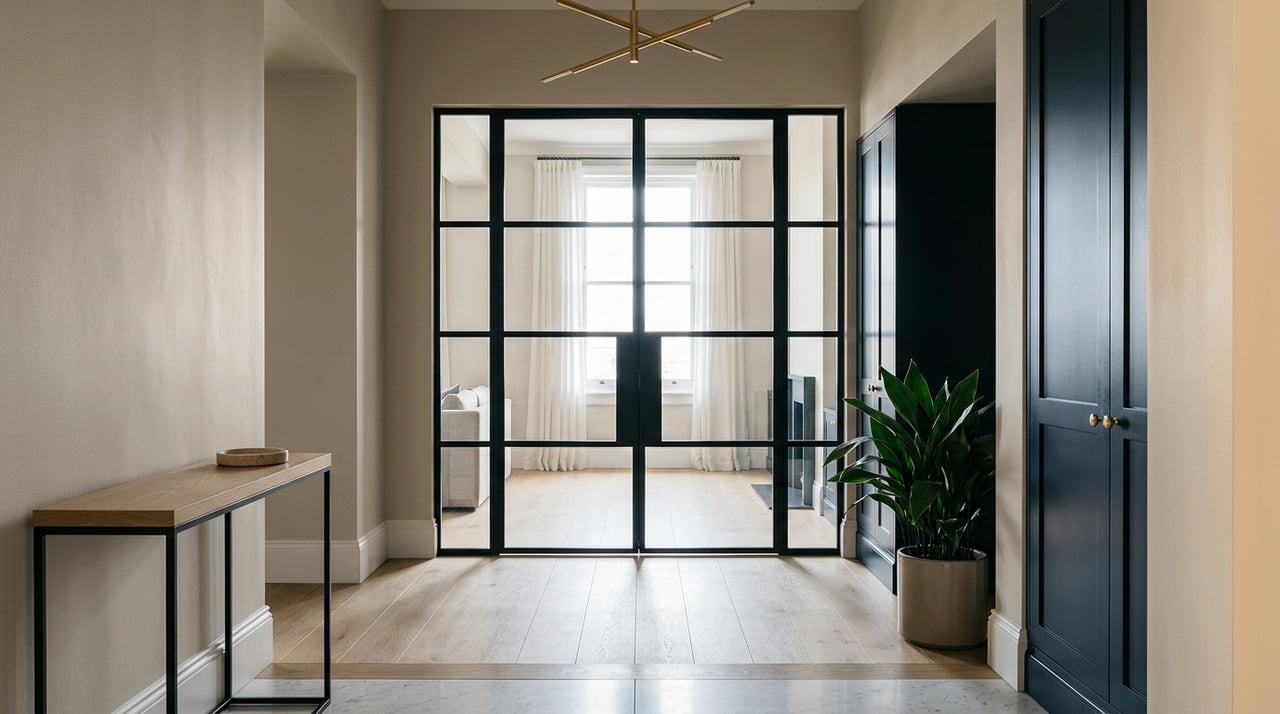
A beautiful entry hall or a coveted address should never replace document review. The New York State Attorney General recommends reading the entire offering plan before signing and then reviewing board minutes, financial reports, and any posted violations to better understand the building’s condition.
That advice is especially relevant in older Manhattan buildings. The Attorney General notes that older properties often face expensive façade, roof, elevator, plumbing, electrical, and boiler issues.
Why building documents matter in resale deals
There is another nuance buyers should understand. If the apartment is being sold by an individual owner rather than a sponsor, the Attorney General says the sale is not regulated by the Attorney General, and the offering plan may not be current or accurate.
That makes the building’s own records even more important. Board minutes, financial statements, and violation history can give you a more realistic picture of capital needs, maintenance pressure, and building operations.
Questions worth answering before you sign
As you review a Gramercy Park co-op, make sure you understand:
- The current house rules and any recent amendments
- The building’s financial reports
- Recent board minutes
- Any posted violations
- Whether the sale is a resale or sponsor transaction
- Whether the building has special assessments or major capital work underway
In a detail-oriented neighborhood, strong due diligence is not pessimistic. It is simply part of buying smart.
The private-park factor in daily ownership
Not every Gramercy Park co-op comes with the same relationship to the park, so buyers should verify the specifics for the building they are considering. Still, the park’s private governance is part of what makes this neighborhood distinct.
The Gramercy Park Trust says it manages annual lot-owner assessments, key requests, resident records, and communications with building boards and managing agents. That signals a level of coordination that can continue after closing.
If your building has park-related rights or responsibilities, ownership may involve more than monthly maintenance and standard co-op rules. It may also include annual key administration, building-level coordination, and another set of expectations around records and communication.
What this means for buyers in Gramercy Park
The best way to approach a Gramercy Park co-op is with respect for process. This is a neighborhood where the paperwork, the building culture, and the fine print can matter just as much as the floor plan.
If you come prepared with a complete application, realistic timing, and a willingness to read the documents carefully, you put yourself in a much stronger position. And if you understand the board process, house rules, and private governance upfront, the experience tends to feel far more navigable.
When you are considering a co-op in a neighborhood this layered, having thoughtful guidance can make the process clearer from the first showing to the final board package. If you want strategic, discreet support buying in Gramercy Park, the Kirsten Jordan Team can help you navigate the details with confidence.
FAQs
What does a Gramercy Park co-op board usually review?
- A board may review credit, employment, landlord and personal references, occupancy details, financial documents, and in some cases conduct an interview, as long as its criteria are applied equally and lawfully.
What questions are not allowed in a Gramercy Park co-op interview?
- Under New York City fair housing rules, boards should not ask direct or indirect questions that reveal protected status, such as religion, disability, age, birthplace, sexual orientation, marital status, or race.
What house rules can a Gramercy Park co-op include?
- House rules may address sublets, late fees, move-in and move-out restrictions, deposits, pets, and noise, depending on the building’s governing documents.
What documents should buyers review before signing for a Gramercy Park co-op?
- Buyers should review the offering plan, board minutes, financial reports, any posted violations, and the current house rules with any recent amendments.
How long can the Gramercy Park co-op application process take?
- CNYC recommends a goal of about six weeks from receipt of a complete package to a response, though timing can vary based on package completeness and the board’s meeting schedule.
How private is Gramercy Park for owners near the park?
- The park is privately governed, created in 1831, and keys are issued annually to owners of surrounding lots, with the Trust overseeing assessments, key requests, and related communications.