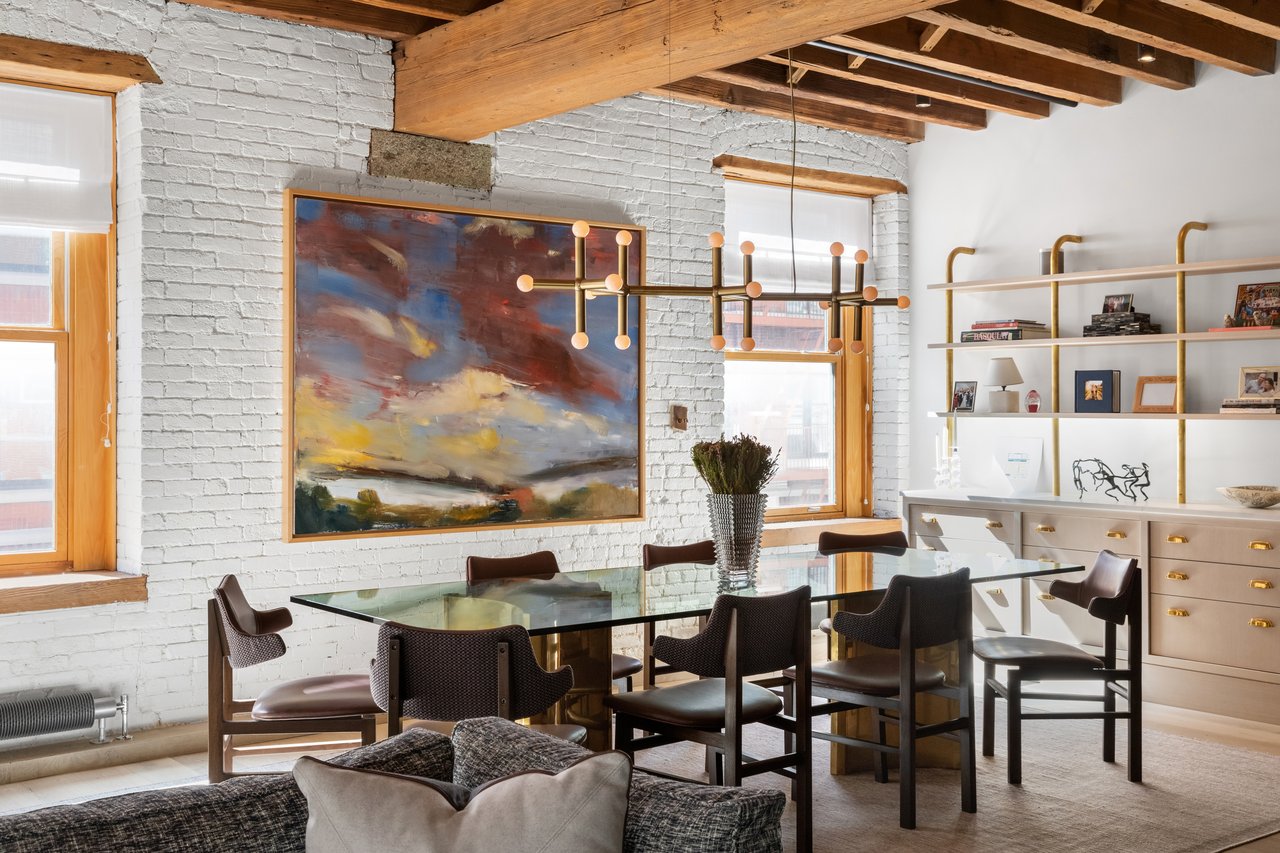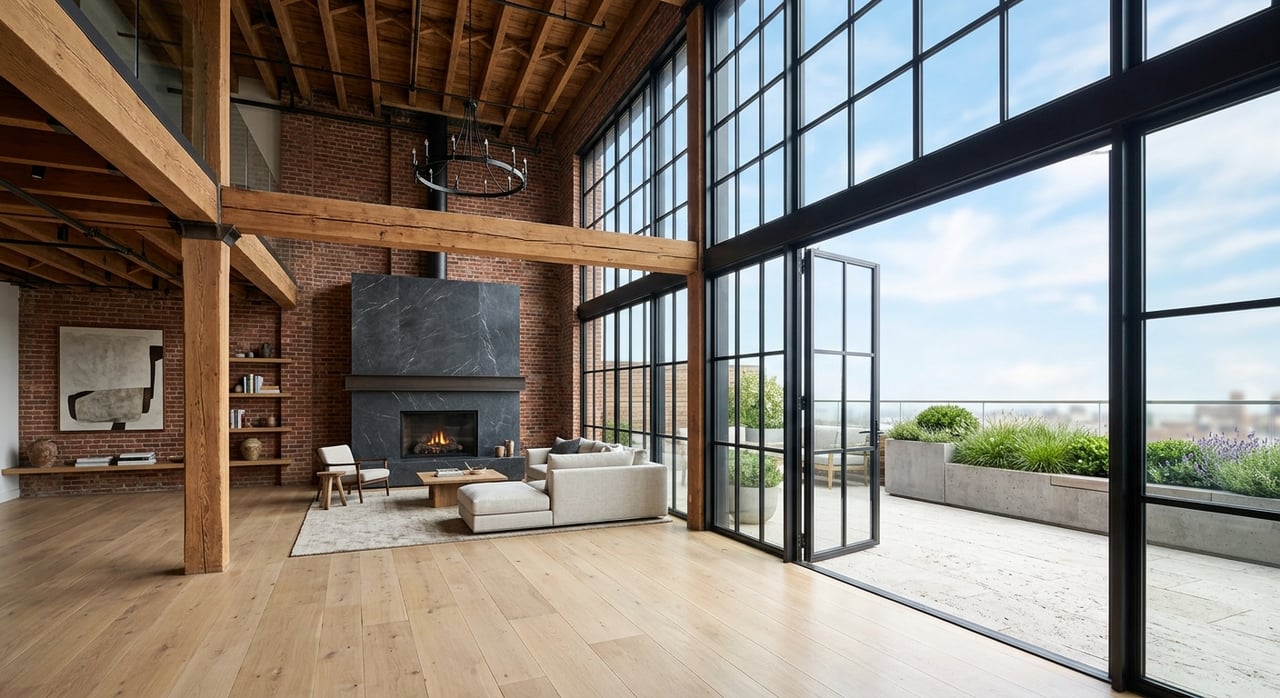
If you are looking at a Flatiron penthouse or loft, you already know one thing: not all square footage is created equal. In this part of Manhattan, two homes with similar size can command very different prices because value is shaped by height, light, outdoor space, architectural pedigree, and true rarity. If you want to understand what really drives pricing in Flatiron, this guide will help you look past the headline number and focus on what matters most. Let’s dive in.
Why Flatiron Value Feels Different
Flatiron is a small, tightly defined neighborhood centered around the Flatiron Building, generally stretching from 14th Street to 23rd Street, between Sixth Avenue and Park Avenue South near Gramercy Park. It blends commercial uses with residential living, which helps explain why standout homes can feel unusually hard to find.
That scarcity matters. Manhattan Community District 5, which includes Flatiron, added housing in recent years, yet it remains a dense district with a relatively small residential population compared with its commercial footprint. When supply is limited and the best homes are even more limited, buyers tend to place a premium on properties that offer something hard to duplicate.
Flatiron also sits inside the broader Manhattan luxury market, where pricing at the top end remains elevated. Douglas Elliman’s Q4 2025 report places the Manhattan luxury entry point at $4.2 million and reports a luxury average price per square foot of $2,950, with sales above $4 million up 11.2% year over year. That broader backdrop helps explain why exceptional Flatiron penthouses and lofts often trade on more than simple comparable sales.
Flatiron Value Comes From Scarcity
A useful way to think about value here is as a stack of scarcity. In Flatiron, premium pricing often comes from several layers working together rather than from one feature alone.
Those layers usually include:
- Location scarcity because the neighborhood itself is limited in size and housing stock
- Vertical scarcity because higher floors with better outlooks are finite
- Experiential scarcity because light, openness, quiet, and usable outdoor space are hard to replicate
- Architectural scarcity because authentic loft proportions and landmark context are not easy to find in new inventory
When a home checks more than one of those boxes, its value story becomes stronger. That is especially true in a neighborhood where buyers are often paying for experience as much as square footage.
Why Penthouses Command a Premium
Penthouses in Flatiron tend to earn their pricing power through elevation, privacy, and a sense of separation from the street. In a dense built environment, that difference can be meaningful the moment you walk in.
Research summarized by CTBUH on Manhattan pricing found a premium of about 0.71% to 0.87% per floor. Higher floors are generally favored for better views, less street noise, and the status that comes with height. In Flatiron, where open view corridors are limited, that benefit can feel even more pronounced.
Height Changes the Living Experience
A higher floor does more than improve a view. It can change how a home feels day to day, from calmer interiors to stronger natural light to a greater sense of privacy.
That is why buyers often pay more for homes that rise above surrounding rooflines or clear nearby obstructions. Even when two residences offer similar finishes, the one with stronger outlook and better light can stand apart quickly.
Views Matter Because They Are Rare
In Flatiron, great views are not automatic. The neighborhood is built out, and many buildings sit close to one another, so a truly open perspective is a real differentiator.
This helps explain why upper-floor homes with protected or expansive outlooks often outperform standard price-per-square-foot expectations. A view is not just visual appeal. In many cases, it is a form of scarcity that buyers recognize immediately.
Why Terrace Space Can Shift Pricing
Private outdoor space can be one of the biggest separators in Flatiron, but not all terraces contribute value equally. Buyers usually respond to outdoor space when it is functional, well positioned, and easy to use as part of everyday living.
A BrickUnderground summary of SERHANT. market research found that Manhattan apartments with private outdoor space sold at a 31% median premium before the pandemic and a 39% premium after lockdown. The same piece cites Jonathan Miller’s rule of thumb that terrace area may be valued at roughly half the interior price per square foot. That does not mean every terrace is priced the same way, but it does show how meaningful outdoor space can be.
Usability Beats Size Alone
A large terrace sounds impressive, but shape and layout matter. A wide, accessible terrace that supports seating, dining, or planting will usually read as more valuable than an awkward strip of outdoor space that is hard to furnish.
In practice, buyers tend to weigh questions like these:
- Can you access the terrace easily from main living spaces?
- Does the layout support real use, not just a quick step outside?
- Is the space private enough to feel special?
- Does it complement the home’s light and views?
When a penthouse combines strong elevation with a truly usable terrace, that combination often creates the strongest premium.
What Makes a Flatiron Loft Valuable
Lofts in Flatiron are prized for a different reason. Their value often comes less from flashy finishes and more from volume, proportion, and authenticity.
That distinction matters in a neighborhood shaped by historic store-and-loft buildings. Landmark Preservation Commission reports on nearby buildings describe large upper-story spaces, floor-through layouts, and generous ceiling heights tied to late-19th-century construction methods. Those original building qualities still influence how buyers judge loft value today.
Volume Is More Than a Measurement
When buyers say a loft “feels right,” they are often responding to volume. Ceiling height, open spans, and a sense of air all affect how the space lives, even before you consider design choices.
LPC documentation on nearby buildings notes examples like 18-foot ground-floor ceilings and 12-foot ceilings above. While not every Flatiron loft has those dimensions, the broader point is clear: authentic loft character is rooted in building form, not just renovation style.
Authenticity Carries Weight
In Flatiron, loft buyers often care about whether the home reflects the neighborhood’s architectural DNA. Original proportions, tall windows, floor-through layouts, and a credible historic setting usually matter more than cosmetic charm alone.
That is one reason landmark context can support value. The Flatiron Building itself was designated a New York City Landmark in 1966, and the Ladies’ Mile Historic District covers much of the broader corridor around Broadway, Fifth Avenue, Union Square, and 14th to 24th Streets. For buyers, that setting can make a home feel connected to a larger architectural story.
Why Historic Pedigree Matters
Historic pedigree does not automatically guarantee a premium, but in Flatiron it often strengthens one. Buyers are not just purchasing finishes or square footage. They are often responding to a building’s place in the neighborhood and the qualities that come with that history.
When historic status aligns with authentic loft proportions, recognizable streetscapes, and lasting architectural detail, it can support stronger demand. In other words, pedigree matters most when it shapes the actual living experience.
This is especially relevant in Flatiron because so much of the neighborhood’s identity is tied to preserved architecture. If a home offers real volume and sits within a meaningful historic context, that can become part of the value case in a way newer inventory may struggle to match.
Why Price Per Square Foot Falls Short
Price per square foot is useful, but it is incomplete. In Flatiron, it can flatten the differences that make premium homes premium.
Two homes with similar interior size may trade at very different prices if one sits much higher, has a clearer view, offers better light, includes a more functional terrace, or comes with stronger architectural pedigree. That is why simple comp math can miss the mark, especially at the top of the market.
Better Comparisons Start With Lived Experience
If you are buying, it helps to compare homes by how they function, not just by the stated dimensions. Ask yourself how the home feels at different times of day, how much privacy it offers, and whether outdoor space is genuinely usable.
If you are selling, your pricing story should focus on features that are hard to replicate. In Flatiron, that usually means emphasizing things like ceiling height, protected light, open outlooks, terrace utility, and architectural authenticity.
How Buyers Can Evaluate Flatiron Value
When you tour a Flatiron penthouse or loft, it helps to look at the home through a layered lens. The best opportunities often reveal themselves when you assess both hard numbers and softer experience.
A smart buyer checklist includes:
- Compare usable space, not just nominal square footage
- Look closely at the quality of light and whether it feels protected
- Evaluate whether views are open, partial, or easily blocked by surrounding buildings
- Treat terrace value based on function, privacy, and layout
- Notice ceiling height and overall room volume
- Consider whether the building’s character is authentic or mostly cosmetic
- Place the home within Flatiron’s broader luxury pricing context
In a neighborhood like this, the homes that age best from a value perspective are often the ones with multiple scarcity layers working at once.
How Sellers Can Position a Premium Listing
If you are selling a penthouse or loft in Flatiron, your presentation should go beyond finishes and room count. The goal is to make the home’s rarity easy for buyers to understand.
That means identifying the features that cannot be copied easily. A dramatic ceiling line, a terrace with true entertaining utility, an upper-floor outlook, or a home’s place within Flatiron’s architectural fabric can all shape the pricing conversation.
For premium inventory, storytelling and positioning matter. When a listing is framed around what makes it genuinely scarce, buyers are more likely to understand why it deserves to trade above basic comp logic.
Whether you are buying a loft with authentic volume or selling a penthouse with open views and outdoor space, Flatiron value is rarely about one metric. It is about how scarcity, experience, and architecture come together in one address. If you want a tailored strategy for evaluating or positioning a standout Flatiron property, the Kirsten Jordan Team brings a white-glove, market-savvy approach to every step of the process.
FAQs
What drives penthouse value in Flatiron District homes?
- Penthouse value in Flatiron is often driven by higher-floor premiums, better views, lower street noise, privacy, and the presence of usable private outdoor space.
How should buyers assess loft value in Flatiron District apartments?
- Buyers should look beyond finishes and focus on ceiling height, openness, light, layout, authentic loft proportions, and the building’s architectural context.
Does private outdoor space increase value in Flatiron District properties?
- Yes, private outdoor space can increase value significantly, especially when the terrace is well shaped, easy to access, and functional for everyday use or entertaining.
Why does price per square foot miss value in Flatiron District listings?
- Price per square foot does not fully capture differences in height, views, light, terrace usability, privacy, and historic pedigree, all of which can affect value.
Do historic buildings add value to Flatiron District lofts and penthouses?
- Historic buildings can support value when they offer authentic architectural character, recognizable neighborhood context, and original proportions that are hard to reproduce.