What does a day in Tribeca actually feel like once the movie version fades away? If you are thinking about moving downtown, buying a pied-à-terre, or simply trying to understand why Tribeca holds such a strong place in Manhattan’s luxury market, the answer is less about flash and more about rhythm. Life here blends landmarked architecture, easy waterfront access, neighborhood institutions, and a level of walkability that can make daily life feel unusually seamless for New York. Let’s dive in.
Tribeca Feels Grounded and Refined
One of the first things you notice in Tribeca is that it does not feel overly manufactured. According to the New York City Landmarks Preservation Commission map, the neighborhood includes multiple historic districts, including Tribeca West, North, South, East, and the Tribeca South Extension. That preservation helps explain why so many blocks still feel defined by cast-iron architecture, former warehouses, and store-and-loft buildings.
For you as a resident, that creates a specific kind of street experience. Many blocks feel loft-heavy instead of tower-heavy, with a sense of scale that reads historic, calm, and distinctly downtown. The result is a neighborhood that feels polished without losing its industrial roots.
Mornings Start With Real Neighborhood Energy
Tribeca mornings can be quiet, but they are rarely empty. On Saturdays, the Tribeca Greenmarket at Greenwich and Chambers Streets runs year-round from 8:00 a.m. to 2:00 p.m., offering produce, meat, seafood, orchard fruit, herbs, flowers, live plants, and cooking demonstrations. That kind of recurring neighborhood ritual gives the area a lived-in feel that goes beyond luxury branding.
If your ideal morning includes coffee, breakfast, or a familiar local stop, Tribeca has long-established anchors. Bubby’s has been on Hudson Street since 1990, and Locanda Verde has welcomed New Yorkers morning, noon, and night since 2009. These are not just places you try once. They are the kinds of places that can become part of your weekly routine.
Family Life Has a Visible Presence
Tribeca often feels more residential in practice than outsiders expect. Washington Market Park serves as one of the clearest examples, with playgrounds, basketball courts, tennis courts, restrooms, spray showers, and the ship-shaped S.S. Fun play area. Its location near the Greenmarket adds to that sense of a real neighborhood rhythm, especially on weekends.
If schools are part of your search, broad neighborhood overviews may mention nearby options such as PS 234 Independence School and PS 89, as noted on Redfin’s Tribeca neighborhood profile. Still, if a specific address matters to your planning, it is important to confirm school zoning and enrollment details directly.
Getting Around Is Surprisingly Easy
A big part of daily comfort in Tribeca is how little friction there is in getting from place to place. Redfin rates Tribeca 99 out of 100 for walkability, 100 out of 100 for transit, and 90 out of 100 for biking. In a city where convenience shapes quality of life, those numbers matter.
The nearby transit network supports that reputation. The MTA’s Manhattan neighborhood map places service nearby at Canal Street, Franklin Street, Chambers Street, World Trade Center, and WTC Cortlandt, and the PATH station at the World Trade Center is elevator-accessible and connected through the Oculus campus. Whether you commute daily or simply want optionality, Tribeca makes movement feel straightforward.
Midday Often Pulls You Outdoors
Tribeca’s waterfront edge gives the neighborhood a release valve. The Tribeca section of Hudson River Park runs from Chambers Street to Canal Street and includes Pier 25 and Pier 26. That means your day can easily shift from cobblestone-adjacent streets and loft blocks to open river views and active outdoor space.
The range of amenities is unusually broad. You have access to a native-plant boardwalk, a skatepark, a dog run, basketball and tennis courts, mini golf, kayaking, and waterfront dining. If you like neighborhoods that offer both urban texture and breathing room, this is one of Tribeca’s strongest selling points.
The Arts Scene Still Feels Active
Tribeca’s cultural identity is not just legacy branding. Around Walker Street, galleries remain an active part of the neighborhood fabric. Bortolami is at 39 Walker Street, while James Cohan and David Zwirner also operate Walker Street spaces, and the ADAA’s 2025 Chelsea & Tribeca Gallery Walk highlighted additional local galleries in the neighborhood.
That matters because it changes how the area feels during the day. Tribeca is not only residential, and it is not only corporate spillover from downtown. It still has creative traffic, gallery openings, and the subtle energy that comes from people moving through a neighborhood for reasons beyond work and dining.
Evenings Lean Classic, Not Trend-Driven
If you spend a day in Tribeca, the evening mood often feels established rather than performative. The Odeon remains one of the neighborhood’s enduring institutions, while Bubby’s and Locanda Verde continue to anchor the local dining scene. That gives Tribeca a repeat-visit quality that many buyers find appealing.
Instead of chasing the newest opening every week, you may find yourself returning to familiar places. That consistency is part of the neighborhood’s appeal. It feels confident in what it is, which can make day-to-day life here feel easier and more settled.
Waterfront Evenings Change the Pace
For a different kind of night, Hudson River Park adds a scenic layer that is hard to overstate. Pier 25 and Pier 26 offer access to riverfront dining like Grand Banks and City Vineyard, both of which shift the evening experience away from enclosed city blocks and toward open sky and water views.
That contrast is part of what makes Tribeca unique. In the same day, you can move from historic loft streets to a boardwalk setting, from a gallery visit to a dinner reservation, from dense urban convenience to a quieter waterfront moment. Few Manhattan neighborhoods package those transitions so naturally.
Homes Reflect the Neighborhood’s Identity
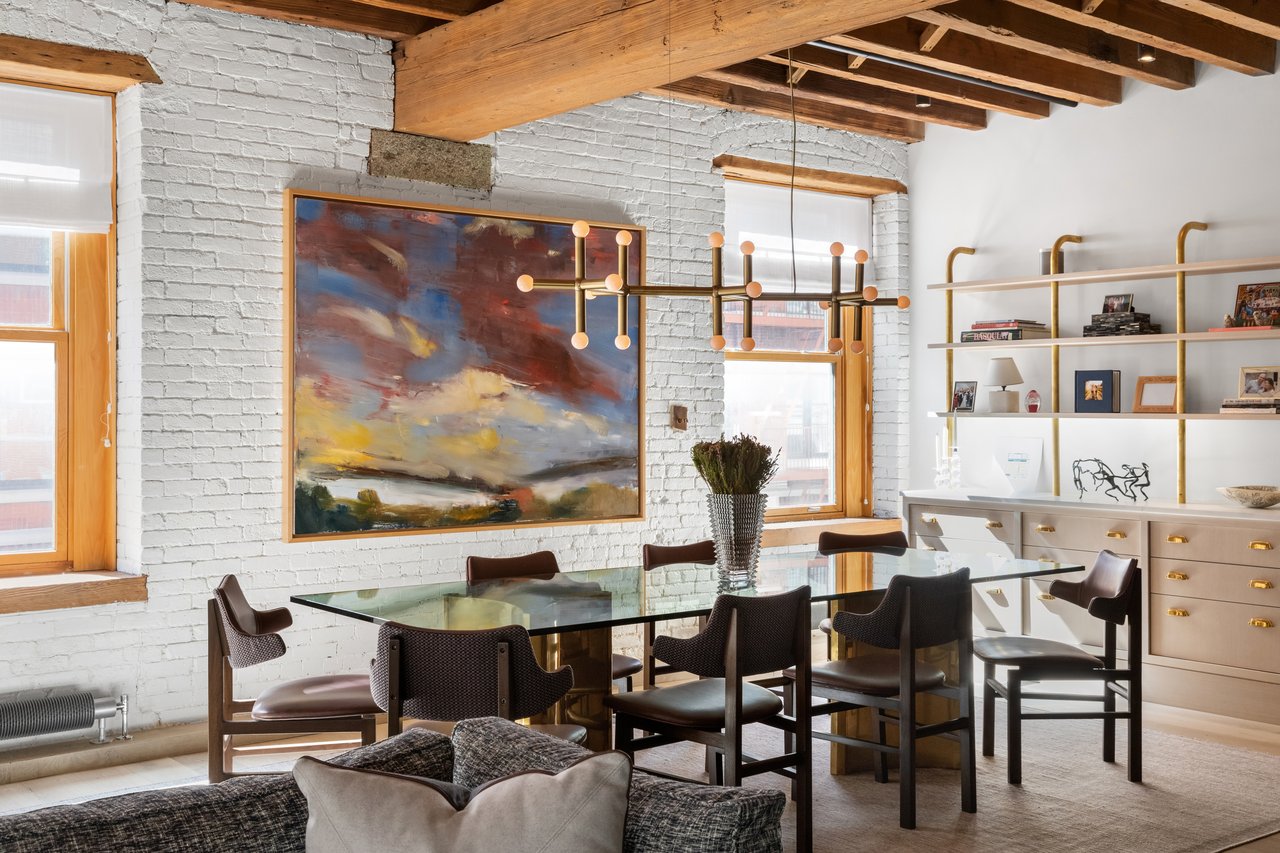
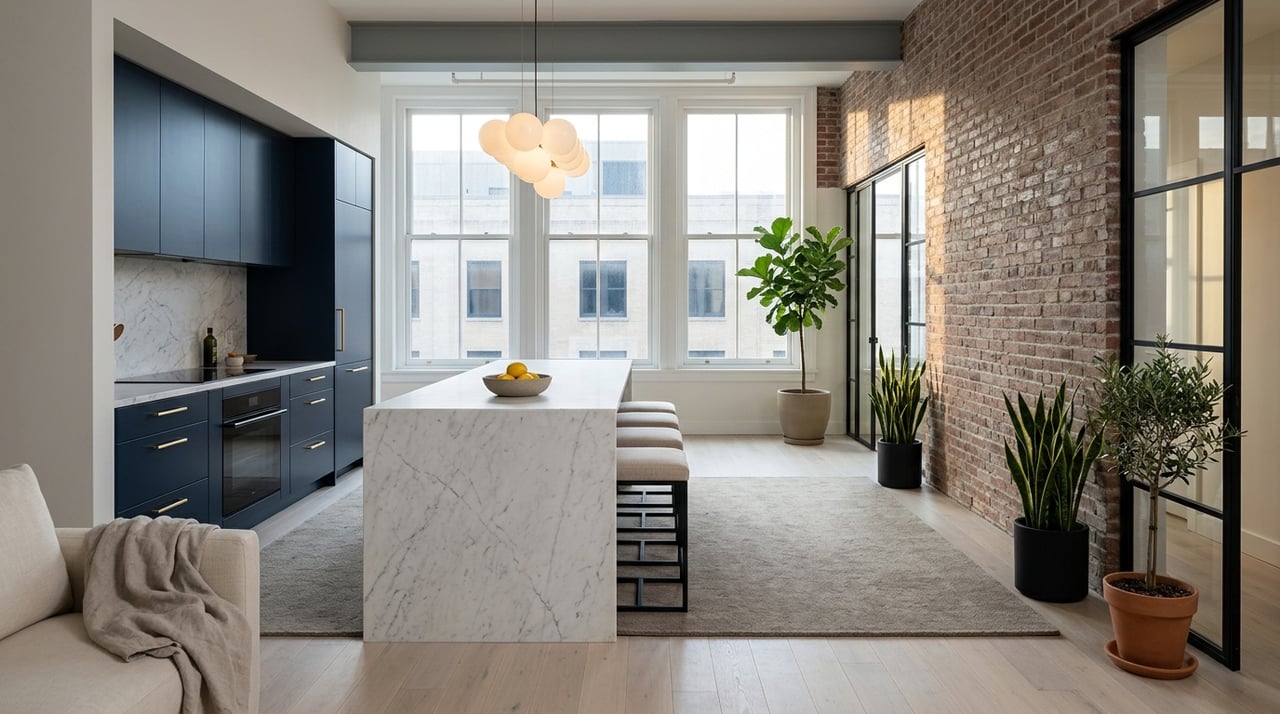
Tribeca’s housing stock mirrors its street life. Based on the historic district materials and current market mix, the neighborhood is best understood as a blend of landmarked loft buildings, converted industrial properties, and newer luxury condominiums. For buyers, that means your options can range from character-rich spaces with historic texture to newer residences with a more contemporary finish.
This is also firmly luxury territory. According to Redfin’s February 2026 Tribeca market snapshot, the median sale price was $3,712,500, with a median price per square foot of $2.19K, 62 homes sold, a median of 57 days on market, and a 99.1% sale-to-list ratio. In practical terms, Tribeca offers a high-amenity, high-price downtown lifestyle where architecture, location, and ease of living carry real value.
What Life Really Feels Like in Tribeca
So what does a day living in Tribeca really feel like? It feels calm for Manhattan, but not sleepy. It feels polished, but not overly packaged. And it feels convenient in the way luxury buyers often value most: not just through finishes and square footage, but through the quality of the day itself.
You can start with coffee and a market run, spend midday near the river or in the galleries, and end the evening at a place that already feels familiar. If you are searching for a downtown neighborhood with historic texture, strong transit, waterfront access, and a distinctly residential rhythm, Tribeca makes a compelling case.
If you are considering buying or selling in Tribeca, the Kirsten Jordan Team brings a polished, high-touch approach tailored to Manhattan’s luxury market. From discreet buyer guidance to strategic listing preparation and marketing, the team can help you navigate Tribeca with clarity and confidence.
FAQs
What is daily life like in Tribeca, Manhattan?
- Daily life in Tribeca often feels calm, walkable, and structured around neighborhood routines like local dining, the Saturday Greenmarket, waterfront time, and easy access to transit.
Is Tribeca a walkable neighborhood in New York City?
- Yes. Redfin rates Tribeca 99 out of 100 for walkability, 100 out of 100 for transit, and 90 out of 100 for biking.
What types of homes are common in Tribeca?
- Tribeca is generally known for landmarked loft buildings, converted industrial properties, and newer luxury condominiums.
What outdoor spaces are available in Tribeca?
- Residents have access to Washington Market Park and the Tribeca section of Hudson River Park, including Pier 25 and Pier 26, with recreation areas, waterfront paths, and dining.
What is the Tribeca real estate market like?
- Based on Redfin’s February 2026 snapshot, Tribeca is a high-end Manhattan market with a median sale price of $3,712,500 and a 99.1% sale-to-list ratio.
Are there galleries and cultural destinations in Tribeca?
- Yes. Tribeca remains active as an arts district, especially around Walker Street, where several prominent galleries operate.